Julius, the Baby of the World
About This Book
Lilly cannot stand her new baby brother Julius — he is disgusting, repulsive, and unpleasant, and she is not afraid to say so. Until a visiting cousin says something similar about Julius, at which point Lilly discovers she is the only one allowed to say such things. Kevin Henkes' funniest book captures the complicated love of siblings with absolutely perfect comic timing.
Themes
SiblingsJealousyFamily
Best For
- Families expecting a new baby who want to prepare an older sibling
- Children ages 4-7 currently struggling with sibling jealousy
- Story time sessions focused on feelings and family
- Parents looking for a funny read-aloud that sparks honest conversation
- Classrooms or libraries exploring sibling and family relationship themes
Why Parents Love This Book
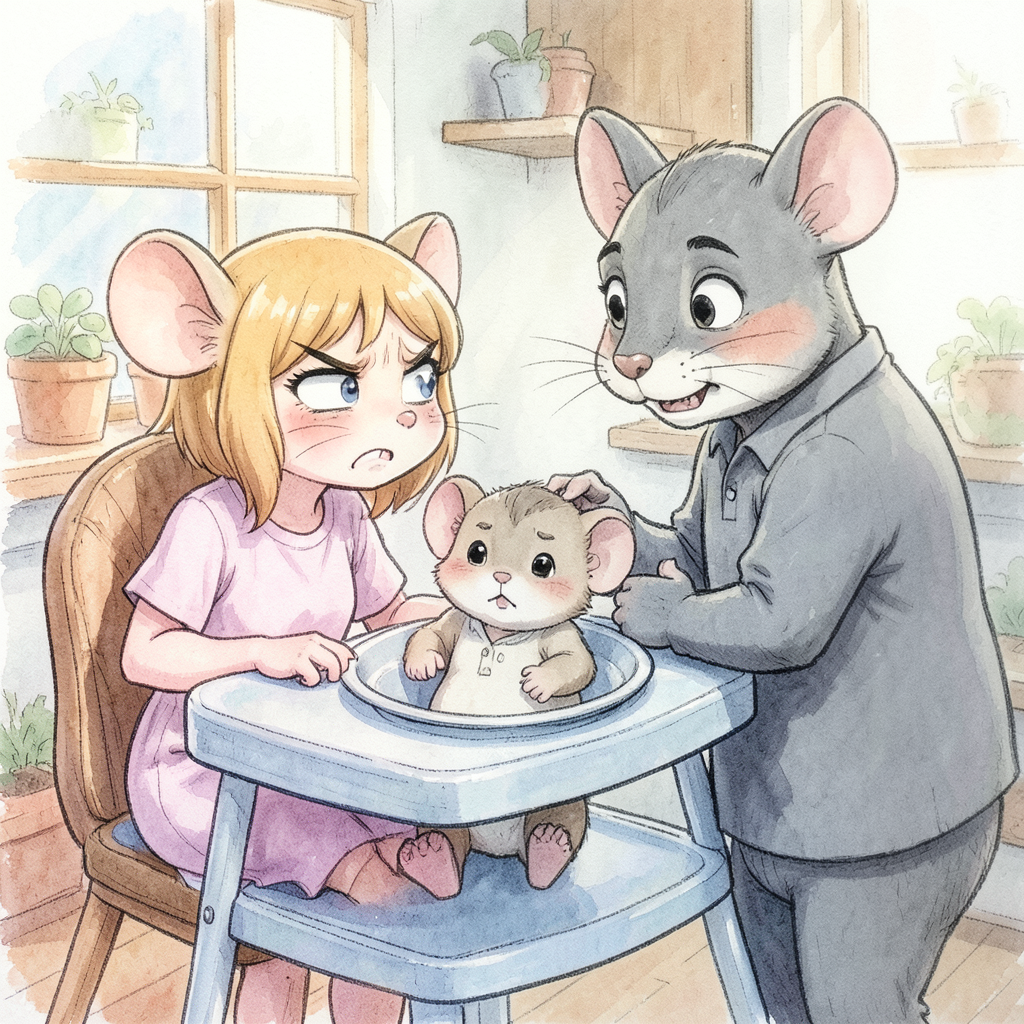
Kevin Henkes has a rare gift for getting inside the heads of young children, and Julius, the Baby of the World is one of his finest achievements. Lilly's volcanic jealousy is drawn with total honesty — she whispers insults to Julius through the bars of his crib, puts a bag over her own head in protest, and compiles a list of everything wrong with him. There is not a false note in her behavior. What elevates the book from simple sibling comedy to something genuinely wise is its ending: the moment a visiting cousin dares to criticize Julius, Lilly transforms in an instant into his most ferocious defender. Henkes captures exactly how siblings work — the exclusive right to complain about someone you nonetheless fiercely love. The illustrations amplify the comedy beautifully, with Lilly's expressive mouse face conveying outrage, disgust, and pride with equal clarity. This book has endured since 1990 because it tells the truth about a deeply human experience with warmth, wit, and perfect comic timing.
Reading Tips for Parents
Read this one before the baby arrives if possible, or in the first weeks home when sibling jealousy is freshest. Let children laugh freely at Lilly — her feelings are exaggerated just enough to be funny rather than alarming, which gives kids permission to recognize their own resentments without shame. Pause at the moment Lilly's cousin criticizes Julius and ask your child to predict what Lilly will do next — that reversal is the heart of the book and children love catching it. For families already in the thick of sibling rivalry, this is excellent validation reading: children see that even Lilly, who hates Julius most loudly, still loves him. Do not skip Lilly's running commentary and whispered insults; reading them with deadpan delivery gets enormous laughs.
Awards & Recognition
- School Library Journal Best Books of the Year (1990)
- ALA Notable Children's Book
Educational Value
This book helps children develop skills across multiple areas:
- Social-emotional: Helps children identify and name feelings of jealousy and displacement without shame, giving language to big emotions that are hard to express directly.
- Vocabulary: Introduces expressive words like 'repulsive,' 'disgusting,' and 'unpleasant' in a funny context that makes them memorable and easy to absorb.
- Narrative comprehension: The plot twist — Lilly defending Julius — teaches children to track character change and understand that people can hold contradictory feelings at once.
- Family dynamics: Illustrates the new-baby adjustment honestly, helping children see that complicated feelings about a sibling are normal and shared.
- Humor and irony: Lilly's over-the-top reactions model comic irony in a way children can grasp, building early literary awareness.
- Perspective-taking: Children follow Lilly's point of view throughout, building empathy for a character whose behavior is selfish but deeply understandable.
Discussion Questions
Use these questions to spark conversation before, during, or after reading:
- Why does Lilly think Julius is disgusting at the start of the story? Do you think she really means all of it?
- How do you think Lilly feels when Mom, Dad, and Grandma keep talking about how wonderful Julius is?
- Why does Lilly suddenly defend Julius when her cousin says something bad about him? Does that surprise you?
- Have you ever been annoyed by someone but still felt protective of them? What happened?
- If Lilly asked you to help her write a list of good things about Julius, what would you put on it?
Content Notes for Parents
No scary, sad, or mature content. Lilly's hostility toward Julius is exaggerated for comic effect and is never threatening — parents can read it with confidence at any point in the new-sibling adjustment period.
Frequently Asked Questions
What age is this book best suited for?
The book is written for children ages 4 to 7. Younger children in this range enjoy the slapstick humor and Lilly's dramatic faces, while older children pick up on the irony of Lilly defending the brother she spent the whole book despising. It works well as a read-aloud for preschool through early elementary.
Should I read this before or after the new baby comes home?
It works at both moments. Before the birth it normalizes jealous feelings in advance, so children feel less guilty about them later. After the baby arrives, it provides validation and a shared laugh when those feelings are already running high. Many parents find it useful to return to it multiple times over the first year.
Is Lilly's behavior toward Julius too mean or a bad example?
Lilly's hostility is played entirely for comedy and is never physically harmful — she whispers insults and sulks rather than acting out dangerously. Henkes frames her reactions with such affectionate humor that children laugh at her rather than emulate her, and the ending clearly shows that love wins out. Most child development experts consider this kind of honest portrayal healthy rather than harmful.
Are there other Kevin Henkes Lilly books to read alongside this one?
Yes. Lilly's Purple Plastic Purse is the most beloved companion book, focusing on Lilly at school. Chester's Way introduces Lilly as a side character before she takes center stage. Reading several Lilly books in sequence lets children follow a consistent character across different emotional situations, which deepens engagement considerably.
My child seems to really identify with Lilly's resentment. Is that okay?
Completely normal and in fact a sign the book is doing its job. Children who identify strongly with Lilly's jealousy are using the story to safely process their own feelings at a comfortable distance. The best response is to keep the tone light, laugh together at Lilly's extremes, and let the ending speak for itself — it shows that love for a sibling is real even when it is buried under a lot of loud complaints.