Frederick
About This Book
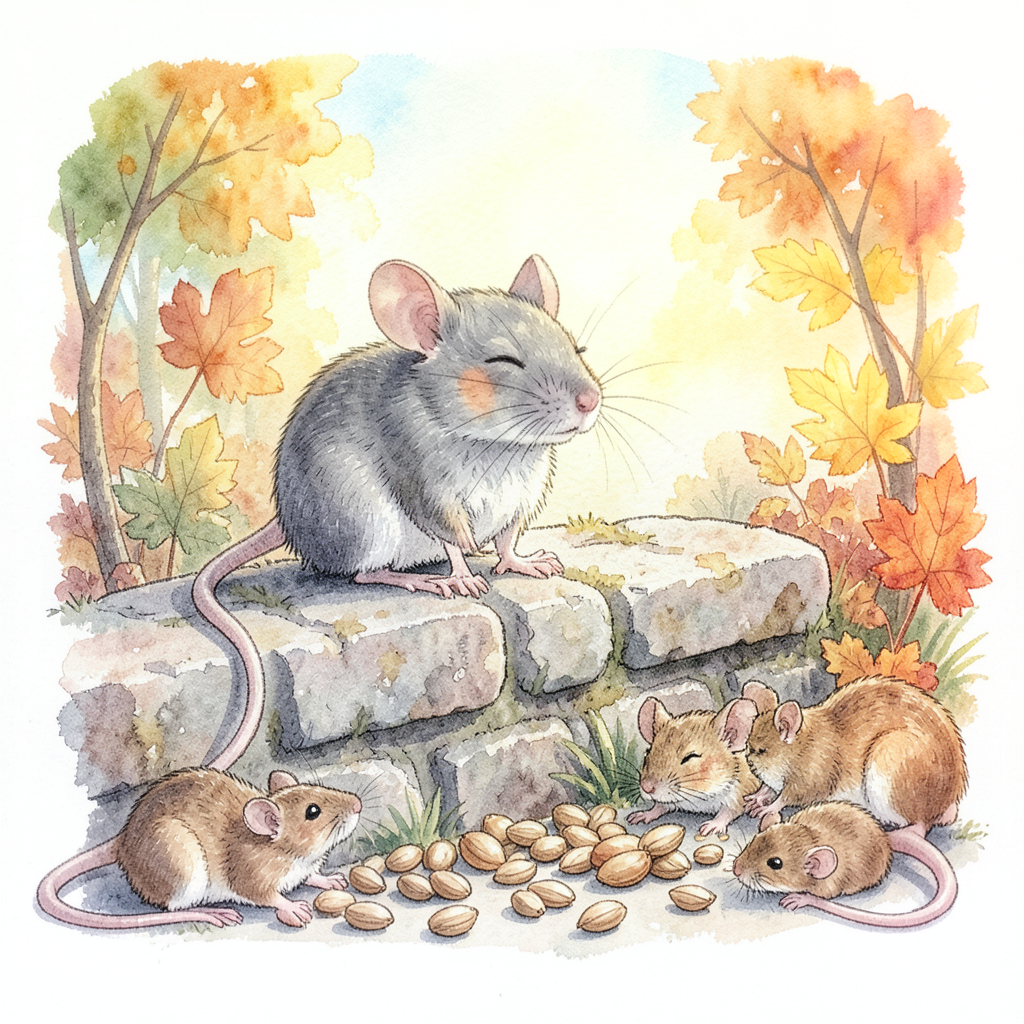
While all the other field mice work hard gathering corn and nuts for winter, Frederick sits apart gathering sun rays, colors, and words. When winter comes and the food runs out, it is Frederick's poetry and stories that warm and sustain the mice through the coldest, darkest days.
Themes
CreativityCommunityPurpose
Best For
- Children who are imaginative or introverted and sometimes feel out of place among more active peers
- Introducing poetry and spoken word to young children in a natural, story-driven way
- Classroom discussions about different kinds of work and different kinds of contribution
- Quiet one-on-one read-alouds on cold or rainy days when the mood matches the story
- Families or teachers exploring themes of community, belonging, and valuing differences
Why Parents Love This Book
Frederick has quietly captivated readers since 1967, and its staying power comes from a deceptively simple question: what counts as real work? Leo Lionni's field mouse Frederick sits still while his community busily stores food for winter, and at first glance he looks idle — even selfish. But when the food runs out and cold darkness settles in, Frederick steps forward and offers something no acorn can provide: warmth through words, color through memory, and light through poetry. Lionni's collage illustrations, torn and cut from painted paper, feel handmade and warm, perfectly matching the story's gentle pace. The book never moralizes or preaches. It simply shows a community discovering that art and imagination are not luxuries but necessities. Children who feel different, who dream more than they do, who notice beauty in ways others overlook — they will recognize something of themselves in Frederick. And that recognition is exactly what the best picture books offer.
Reading Tips for Parents
Before reading, pause on the opening spread and ask your child what Frederick is doing while the others work — let them form their own opinion first. Read Frederick's poems aloud slowly when you reach them; the shift in pace signals to children that something important is happening. After finishing, resist explaining the moral immediately. Instead, ask your child what they think Frederick was really doing all along. This book pairs beautifully with a simple activity: have your child "collect" something invisible on a walk — a sound, a color, a feeling — and then share it with the family later. For children who are introverted or artistic and sometimes feel out of step with more active peers, this story offers quiet but powerful validation worth naming aloud.
Awards & Recognition
- Caldecott Honor Book, 1968
- ALA Notable Children's Book
Educational Value
This book helps children develop skills across multiple areas:
- Social-emotional learning: Explores the value of different personality types and contributions, helping children appreciate both active and reflective ways of participating in a group.
- Vocabulary: Introduces poetic and sensory language — words like "meadow," "rays," and "syllables" — in a context that makes their meaning feelable rather than just definable.
- Creative arts: Demonstrates that poetry can be spoken aloud and experienced physically, encouraging children to experiment with their own descriptive language and imagery.
- Critical thinking: Invites children to reconsider their first judgments about Frederick, building the habit of withholding conclusions until the full picture is seen.
- Community and belonging: Shows how a healthy community makes room for diverse roles and recognizes that contribution takes many forms beyond the immediately practical.
Discussion Questions
Use these questions to spark conversation before, during, or after reading:
- Why do you think the other mice were annoyed with Frederick at first? Were they right to feel that way?
- What did Frederick collect instead of food? Could you collect something you cannot hold in your hands?
- When Frederick shared his words and colors, how did the mice feel? Have you ever felt warmed by a story or a song?
- Do you think every community needs a Frederick? What would happen if everyone was exactly the same?
- If you had to collect something invisible to share with your family on a cold winter day, what would you gather?
Content Notes for Parents
There are no scary, violent, or mature elements in this book. The one gentle emotional note is a sense of hunger and cold during winter, but it is handled in a mild, age-appropriate way that resolves warmly.
Frequently Asked Questions
What age is Frederick best suited for?
The book is ideal for children ages 4 to 7. The story and collage illustrations are accessible to preschoolers, but the deeper themes about art, purpose, and community tend to resonate more fully around kindergarten and first grade. Many teachers use it successfully with children up to age 8 or 9 as a springboard for writing and discussion.
Is there anything in the book that might upset sensitive children?
Not in any significant way. The mice do experience hunger and cold during winter, and there is a brief moment where the other mice grumble at Frederick for not helping. These moments are mild and resolve positively. Most sensitive children respond well to this story because it ultimately validates quieter, more imaginative personalities.
How can I use this book to encourage my child's creativity?
After reading, try asking your child to collect something invisible on a walk — a particular shade of light, a sound, a smell — and then share it with the family as Frederick does. You can also invite them to draw what Frederick's words make them picture, or write a short poem of their own about a season. The book opens these doors naturally without requiring much prompting.
My child prefers action-packed stories. Will Frederick hold their attention?
Frederick is a quiet book, and children who prefer faster-paced stories may need a bit of encouragement to settle into it. Reading it at a calm moment — before bed or on a slow afternoon — helps. The payoff when Frederick finally "performs" tends to surprise and delight even children who started out skeptical.
Are there similar books I can read alongside Frederick?
Leo Lionni's other books make natural companions — Swimmy explores similar themes of individual difference within a community, and Alexander and the Wind-Up Mouse touches on identity and belonging. For a different author and style but overlapping themes, The Dot by Peter H. Reynolds is a beloved choice for encouraging children who doubt their own creativity.