Harriet the Spy
About This Book
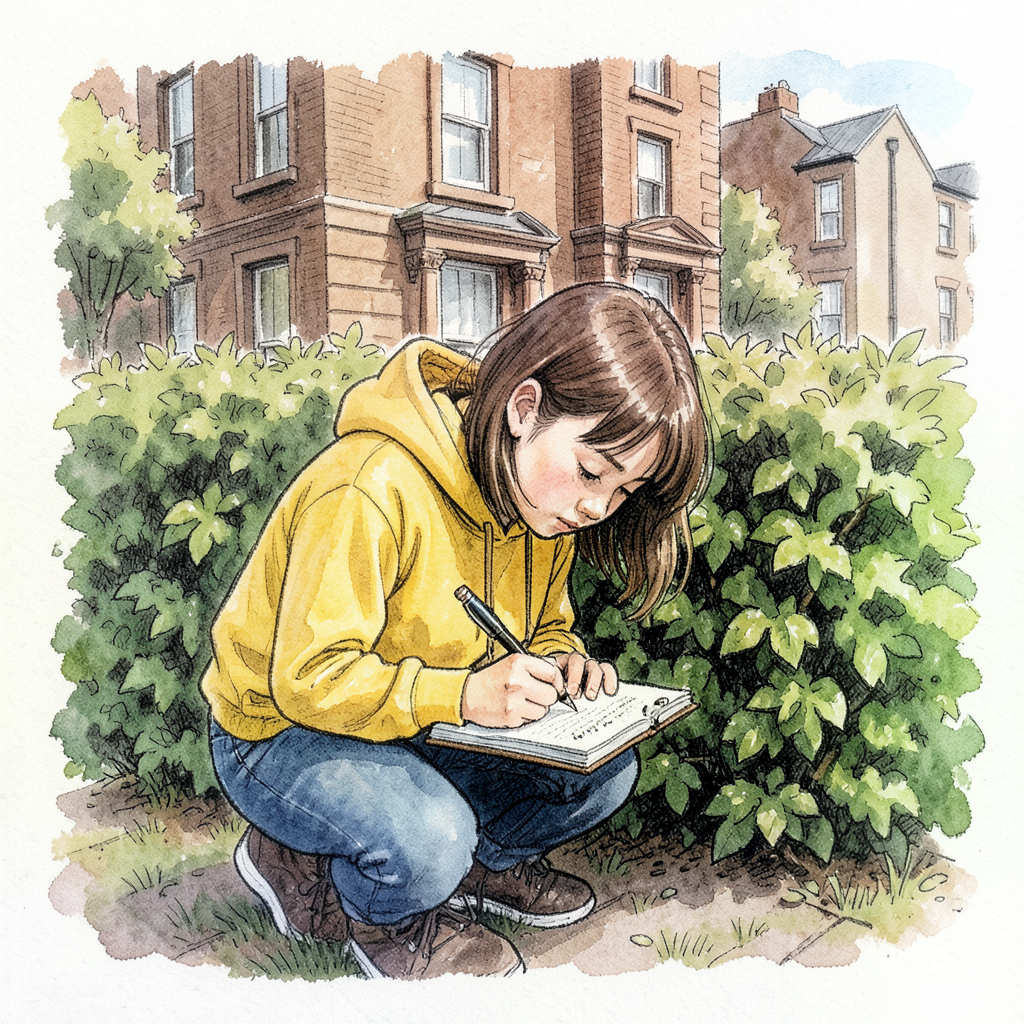
Eleven-year-old Harriet M. Welsch follows a daily spy route, recording brutally honest observations about everyone in her notebook. When classmates find the notebook and read her unfiltered opinions, Harriet becomes a social outcast and must figure out how to be true to herself while repairing the damage.
Themes
IdentityHonestyFriendship
Best For
- Kids who identify as observers, writers, or introverts looking for a protagonist who thinks like they do
- Children navigating friendship fallouts or social exclusion at school
- Young writers who would benefit from seeing a character treat a private notebook as a serious creative tool
- Families who want a conversation-starter about honesty, privacy, and the difference between what we think and what we say
- Strong independent readers ages 9-12 ready for a longer novel with emotional complexity
Why Parents Love This Book
Harriet the Spy is one of those rare middle-grade novels that treats children with complete seriousness. Louise Fitzhugh created an unforgettable protagonist in Harriet M. Welsch — a fiercely observant, tomato-sandwich-eating eleven-year-old who wants to be a writer and has no patience for pretense. What makes this book endure more than six decades after its 1964 debut is its radical honesty. Harriet's notebook entries are blunt, sometimes cruel, and entirely believable as the uncensored thoughts of a child who hasn't yet learned that truth and kindness must coexist. The social fallout when her notebook is discovered is painful and real — the kind of painful that young readers recognize from their own lunch tables and hallways. Fitzhugh never wraps things up too neatly. Harriet grows, but she stays Harriet. The book also quietly celebrates the act of writing and close observation as legitimate, serious work, making it especially meaningful for kids who feel most alive when they are watching and thinking rather than performing.
Reading Tips for Parents
Read this book alongside your child if they are on the younger end of the 8-12 range, because Harriet's cruelty toward her classmates — though realistic — benefits from an adult helping to unpack it. Use the notebook discovery as a natural conversation starter: ask whether keeping private thoughts private is the same as lying, and whether Harriet's opinions are wrong simply because they hurt feelings. For reluctant writers, Harriet's spy notebook is a wonderful low-pressure model — encourage your child to start their own observation journal. Note that Harriet's relationship with her parents is emotionally distant; children who are sensitive to this dynamic may need reassurance. Ole Golly's departure early in the story is a significant loss for Harriet, so be ready for that conversation.
Awards & Recognition
- New York Times Outstanding Books of the Year (1964)
- Included on TIME magazine's list of the 100 Best Young Adult Books of All Time
- Inducted into the Library of Congress's Books That Shaped America list
Educational Value
This book helps children develop skills across multiple areas:
- Writing and voice: Harriet's notebook entries model first-person observation writing with strong, specific detail — an excellent entry point for discussing what makes writing vivid and authentic.
- Social-emotional: The book explores the real consequences of unfiltered honesty, helping children develop empathy by seeing how careless words land on the people they describe.
- Critical thinking: Harriet's spy route encourages systematic observation and inference — she builds theories about people from limited evidence, a core reasoning skill.
- Self-awareness: Harriet's journey forces her to examine the gap between how she sees herself and how others experience her, a developmental task central to middle childhood.
- Vocabulary: Fitzhugh's prose is rich with precise, sometimes unusual word choices that stretch readers without talking down to them.
- Media literacy: Discussing why Harriet's private notebook feels different from a published opinion column opens conversations about audience, context, and the ethics of sharing what we notice about others.
Discussion Questions
Use these questions to spark conversation before, during, or after reading:
- Why does Harriet write down her honest thoughts about everyone she observes? Do you think she means to be mean, or is she doing something else?
- How would you feel if someone read your private diary or journal without asking? Was what Harriet's classmates did to her fair?
- Ole Golly tells Harriet that when you hurt someone you have to apologize and then lie a little to make things right. Do you agree with that advice?
- Harriet loves watching and writing about people more than she loves playing with them. Do you know anyone like that? Is there something you love doing that other people might not understand?
- By the end of the story, has Harriet really changed, or has she just learned to hide some of what she thinks? What is the difference?
Content Notes for Parents
Harriet's notebook contains blunt, sometimes cutting observations about people she knows, including comments about weight, class, and family dysfunction, which may prompt discussion about how private thoughts differ from spoken words. There is no violence or sexual content, but the social cruelty Harriet faces after her notebook is discovered — being shunned, bullied, and excluded — is portrayed realistically and may be upsetting for children who have experienced similar situations.
Frequently Asked Questions
What age is Harriet the Spy best suited for?
The book is aimed at readers ages 8-12, with the sweet spot around ages 9-11. Younger readers can handle it with a parent reading alongside, but the emotional and social nuance — particularly around private thoughts, betrayal, and apology — lands most meaningfully for children who have started navigating complex peer relationships on their own.
Is there anything in the book parents should know about before handing it to their child?
Harriet's notebook entries include blunt, sometimes unkind observations about the people in her life, touching on weight, money, and family situations. The social bullying Harriet experiences after her notebook is found is realistic and can be intense for sensitive children. There is no inappropriate language or violence, but the book does not shy away from depicting real childhood cruelty.
My child wants to keep a private journal. Is this book a good model for that?
Harriet the Spy is one of the most effective fictional arguments for keeping a writer's journal ever written, and many adults point to this book as what first made them want to write. The story does complicate that impulse, though — Harriet learns a hard lesson about who can read what she writes — which makes it an ideal conversation starter about privacy and the purpose of a personal journal.
Are there similar books you would recommend if my child loves Harriet?
Readers who love Harriet often enjoy From the Mixed-Up Files of Mrs. Basil E. Frankweiler by E.L. Konigsburg, which shares the same spirit of a resourceful, independent girl taking her inner life seriously. The Penderwicks by Jeanne Birdsall offers a similarly character-driven, observational style. For readers drawn to Harriet's outsider perspective, Blubber by Judy Blume tackles school social dynamics with comparable unflinching honesty.
Does Harriet the Spy have a happy ending?
The ending is realistic rather than perfectly tidy, which is part of what makes the book feel true. Harriet does repair her most important friendships and finds a path forward, but she does not transform into a different person — she learns to channel who she is more thoughtfully. Most children find the ending satisfying even if it leaves some threads unresolved.