Last Stop on Market Street
About This Book
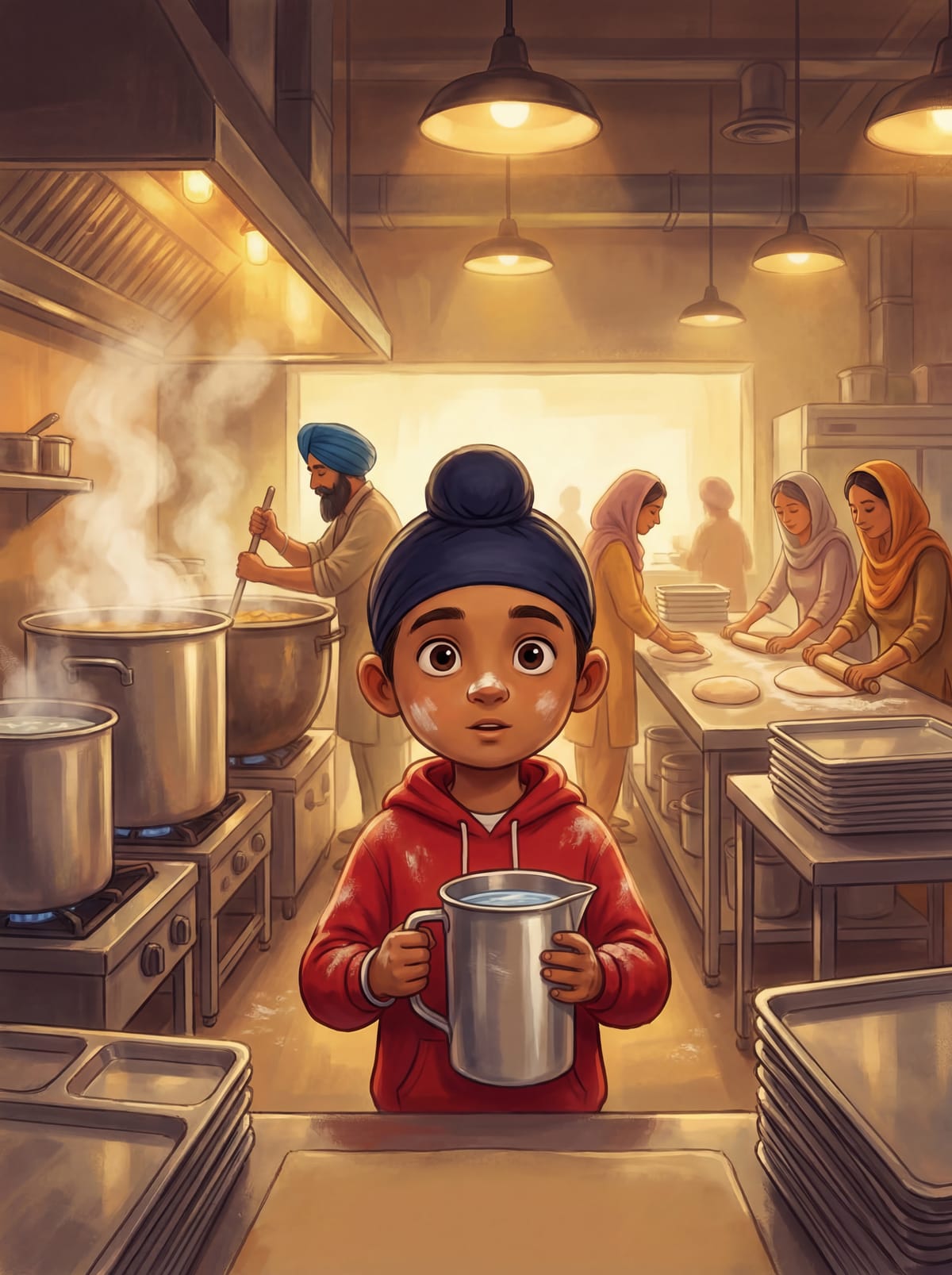
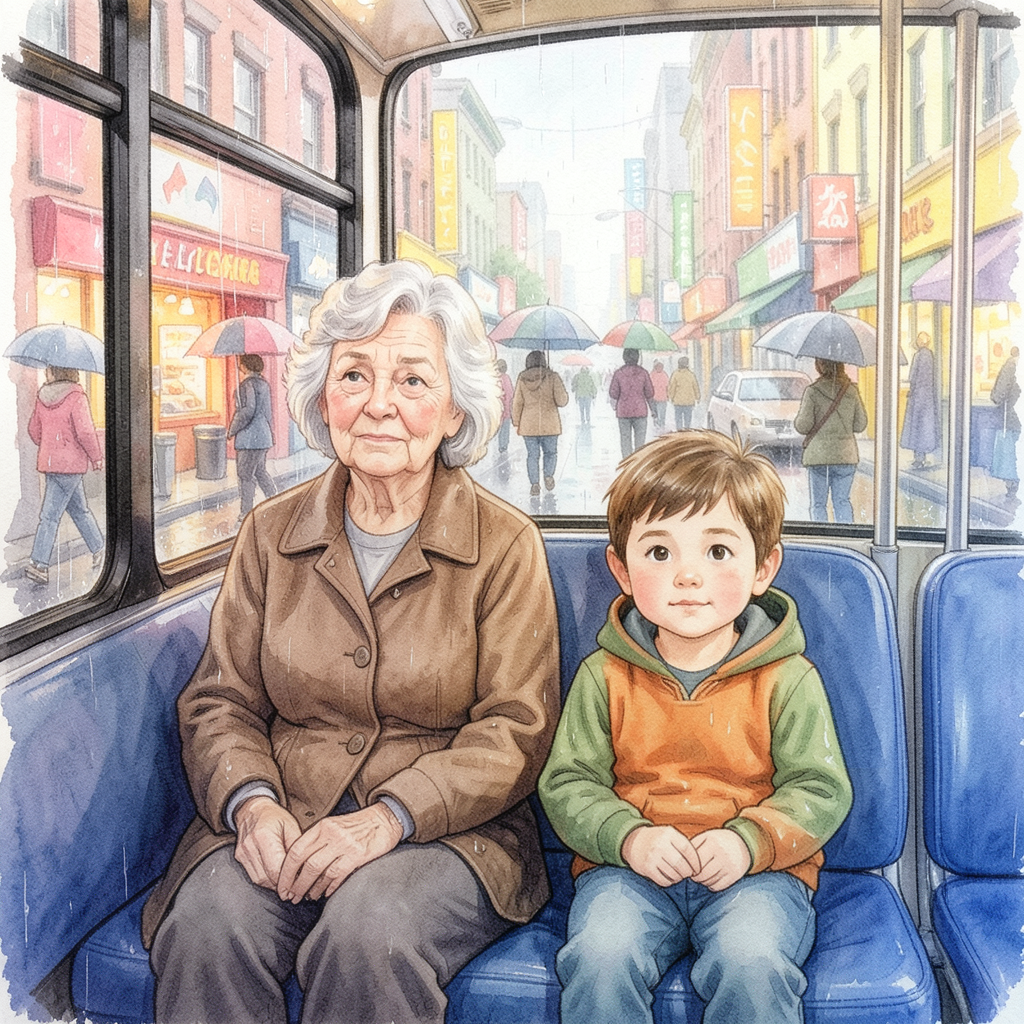
Every Sunday after church, CJ and his grandmother ride the bus across town. CJ complains about not having a car, an iPod, and other things. His wise Nana helps him see the beauty in their journey — the music of a blind man's guitar, the kindness of strangers, and the joy of helping at the soup kitchen.
Themes
KindnessGratitudeCommunity
Best For
- Families looking for a natural way to start conversations about gratitude without a lecture
- Children who have expressed envy over what peers or siblings have
- Classrooms and homeschool settings exploring community, kindness, or service themes
- Read-alouds before a family volunteering experience
- City-dwelling families who ride public transit and want books that reflect their daily life
Why Parents Love This Book
Last Stop on Market Street is a rare picture book that addresses gratitude without ever feeling preachy. CJ's complaints — why don't we have a car, why doesn't he have an iPod — are completely believable for a young child, which makes Nana's gentle reframing all the more powerful. Rather than lecturing, she draws CJ's attention outward: to the blind man playing guitar, to the man with the butterfly tattoos, to the rain-soaked city alive with color and sound. Author Matt de la Pena grounds the story in a specific community — a Black family, a city bus, a soup kitchen — that feels real rather than generic. Christian Robinson's acrylic illustrations are bold, joyful, and warm, full of diverse faces and urban texture. The book ends at the soup kitchen where CJ and Nana volunteer, completing a circle that shows him why their journey matters. This is a book about seeing the world through someone else's eyes, and it earns every word of its message.
Reading Tips for Parents
Read this book slowly and let the illustrations do their work. Before turning each page, ask your child what they notice in the pictures — Robinson's art is packed with detail that rewards close looking. CJ's complaints give you natural entry points: when he says "I wish we had a car," pause and ask your child how they feel when they want something they don't have. After finishing, the soup kitchen scene is a great springboard for talking about volunteering or helping in your own community. For children who have ridden a bus or public transit, this book will feel especially vivid — try reading it before or after a real bus ride. The book also works beautifully for families navigating questions about having less than others, handled here with dignity rather than shame.
Awards & Recognition
- Newbery Medal, 2016
- Caldecott Honor, 2016
- Coretta Scott King Illustrator Honor, 2016
Educational Value
This book helps children develop skills across multiple areas:
- Social-emotional: Models how to shift from envy and complaint toward noticing beauty — a concrete gratitude practice children can internalize.
- Vocabulary: Introduces rich descriptive language about sound, color, and urban life, including words like 'glistening' and 'tangled' used in context.
- Community awareness: Shows children that neighborhoods include diverse people with different lives, and that showing up to help is part of belonging.
- Music appreciation: The blind guitarist scene opens conversation about how music is experienced across different senses and abilities.
- Civic values: Volunteering at a soup kitchen is portrayed as a normal, meaningful weekly act — normalizing service as part of family life.
- Perspective-taking: CJ's journey from self-focus to outward awareness gives children a model for empathy that develops gradually through a single bus ride.
Discussion Questions
Use these questions to spark conversation before, during, or after reading:
- Why do you think CJ is upset at the beginning of the story? Have you ever felt that way about something you didn't have?
- What does Nana show CJ on the bus ride? Which moment do you think surprised CJ the most?
- The man plays guitar even though he can't see. What do you think music feels like for him?
- Why do you think Nana and CJ go to the soup kitchen every Sunday? How did CJ feel when they arrived?
- If you could take a bus ride anywhere, what would you want to notice along the way?
Content Notes for Parents
There are no scary, violent, or mature elements in this book. The depiction of poverty and a soup kitchen is honest but gentle, presented as a place of dignity and community rather than hardship.
Frequently Asked Questions
What age is Last Stop on Market Street best for?
The book is ideal for ages 4 to 7. Younger children in that range will enjoy the bus-ride adventure and vibrant pictures, while children closer to 6 or 7 will grasp the deeper themes of gratitude and service. It also reads well with older children up to age 9 in classroom settings.
Is there anything in the book that might upset a sensitive child?
Nothing in the book is scary or upsetting. The soup kitchen is depicted warmly, and the urban setting — including a man with tattoos and a blind musician — is treated with curiosity and respect. Most sensitive children respond positively to the book's gentle, hopeful tone.
How do I explain the soup kitchen to my child if they don't know what it is?
The book itself introduces it naturally through CJ's own discovery. You can simply tell your child it is a place where people prepare and share free meals for neighbors who need them. The scene at the end makes a wonderful launchpad for talking about ways your own family helps others.
Are there other books similar to Last Stop on Market Street?
If your child loves this book, try 'Each Kindness' by Jacqueline Woodson for a similarly thoughtful look at community and regret, or 'The Invisible String' for a gentler exploration of connection. 'Dreamers' by Yuyi Morales shares a similar urban warmth and focus on finding richness in everyday life.
Can this book be used for teaching in a classroom?
Yes — it is widely used in kindergarten through second grade classrooms. It supports social-emotional learning curricula around gratitude, empathy, and community. The Newbery and Caldecott recognition also makes it a strong anchor text for read-aloud programs.