Matilda
About This Book
Five-year-old Matilda is a genius surrounded by horrible adults — her neglectful parents and the terrifying headmistress Miss Trunchbull. She finds a champion in her kind teacher Miss Honey and discovers she has telekinetic powers, which she uses to right wrongs and secure happiness for herself and those she loves.
Themes
CourageIntelligenceJustice
Best For
- Independent readers aged 8-10 who feel different, bookish, or underestimated by adults around them
- Read-aloud sessions for ages 6-7 where a parent can discuss the scarier moments in real time
- Children transitioning from illustrated chapter books to longer prose, as Quentin Blake's drawings ease the shift
- Families who enjoy books that are funny and dark at the same time — in the tradition of Dahl's trademark tone
- Classroom read-alouds exploring themes of justice, courage, and what makes a good adult role model
Why Parents Love This Book
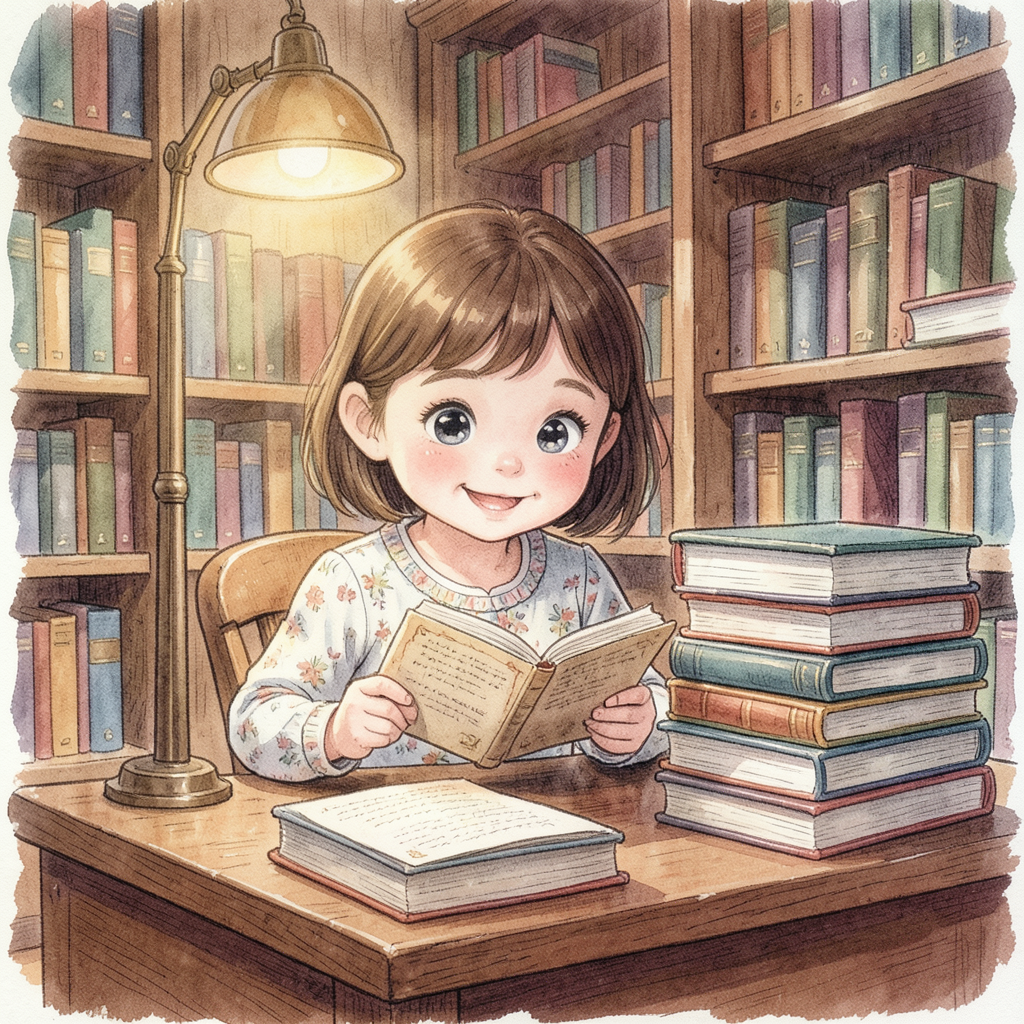
Roald Dahl's Matilda has captivated readers since 1988 because it does something rare in children's fiction: it takes a child's intelligence and inner life with complete seriousness. Matilda Wormwood is surrounded by adults who dismiss, neglect, and bully her — yet she never stops reading, thinking, and growing. Dahl's portrayal of a five-year-old who devours Dickens and Hemingway at the library is both wildly exaggerated and deeply reassuring to any child who has ever felt misunderstood by the grown-ups around them. The book balances genuine darkness — the cruelties of the Trunchbull are almost grotesquely funny — with warmth and justice. Miss Honey stands as one of children's literature's most quietly heroic figures. Quentin Blake's scratchy, energetic illustrations give the story its irreverent spirit. Most importantly, Matilda wins not through luck but through her own extraordinary mind and moral courage. That message — that cleverness and kindness together are a kind of superpower — is what makes this book endure across generations.
Reading Tips for Parents
This is a chapter book best read independently by confident readers aged 8 and up, but it also works beautifully as a read-aloud for ages 6-7 with a parent present to handle the scarier Trunchbull scenes. Expect your child to ask what words like "telekinesis" and "ignoramus" mean — keep a dictionary handy and treat those moments as vocabulary wins. The neglectful Wormwood parents can provoke real conversation: ask your child how Matilda's parents make her feel and what they think good parents do instead. Because the book ends with Matilda choosing to live with Miss Honey, some children want to talk about family and belonging. Give that conversation space. The tone is broadly comic despite dark moments, so most children read it with delight rather than distress.
Awards & Recognition
- New York Times Bestseller
- Roald Dahl Prize — the book inspired the award created in his name to celebrate children's literature
- Adapted into an Olivier Award-winning and Tony Award-winning musical (2011/2013), reflecting the story's enduring cultural status
Educational Value
This book helps children develop skills across multiple areas:
- Vocabulary: The text is rich with advanced and unusual words — telekinesis, escapade, dilapidated — giving independent readers a genuine vocabulary workout in context.
- Social-emotional: Matilda models emotional resilience, showing children how to maintain self-worth and kindness even when the adults around them are unkind or neglectful.
- Critical thinking: The story rewards readers who notice how Matilda solves problems methodically, making logical plans rather than reacting impulsively.
- Literary appreciation: Dahl references real books Matilda reads, including works by Dickens and Hemingway, naturally motivating curious readers to explore classic literature.
- Ethics and justice: The plot raises questions about fairness, authority, and when it is right to stand up against people in power, sparking valuable moral discussions.
- Self-advocacy: Matilda demonstrates that children can be agents of change in their own lives, a confidence-building theme for readers who feel overlooked.
Discussion Questions
Use these questions to spark conversation before, during, or after reading:
- Why do you think Matilda loves books so much? What does reading give her that her family doesn't?
- Miss Trunchbull is very scary, but some of her punishments are also funny. Why do you think Roald Dahl made her that way?
- Matilda uses her telekinetic powers to help Miss Honey, not just herself. What does that tell you about her character?
- If you had Matilda's power to move things with your mind, what would you use it for and why?
- At the end, Matilda chooses to stay with Miss Honey. Do you think that was the right choice? How do you think she felt making it?
Content Notes for Parents
Miss Trunchbull subjects children to physically extreme and emotionally cruel punishments (throwing a girl by her pigtails, locking children in a spike-lined cupboard) that are played for dark comedy but may disturb sensitive readers. Matilda's parents are neglectful and verbally dismissive, which can resonate uncomfortably with children in difficult home situations — worth a check-in after reading.
Frequently Asked Questions
What age is Matilda really appropriate for?
Most children read it independently from age 8, though confident readers as young as 7 handle it well. As a parent read-aloud, ages 6-7 is fine because you can moderate the scarier scenes with humor and conversation. The content is dark in places but never graphic, and the overall tone is triumphant and funny.
Is the book too scary for younger or sensitive children?
Miss Trunchbull's punishments — throwing children, the spike cupboard — are intense, but Dahl frames them as cartoonish villainy rather than realistic threat. Sensitive children around age 6-7 may find her genuinely frightening. Reading alongside a parent and reassuring them that Matilda always wins helps enormously. Most kids who are nervous going in end up loving the book.
My child has already seen the movie or the musical. Is the book still worth reading?
Absolutely. The book is richer and funnier than either adaptation, and Dahl's narrative voice — witty, conspiratorial, firmly on the child's side — is something no screen version fully captures. Children who know the story often read the book faster because they're excited to find differences and extra details, which builds reading stamina.
Are there similar books you'd recommend after Matilda?
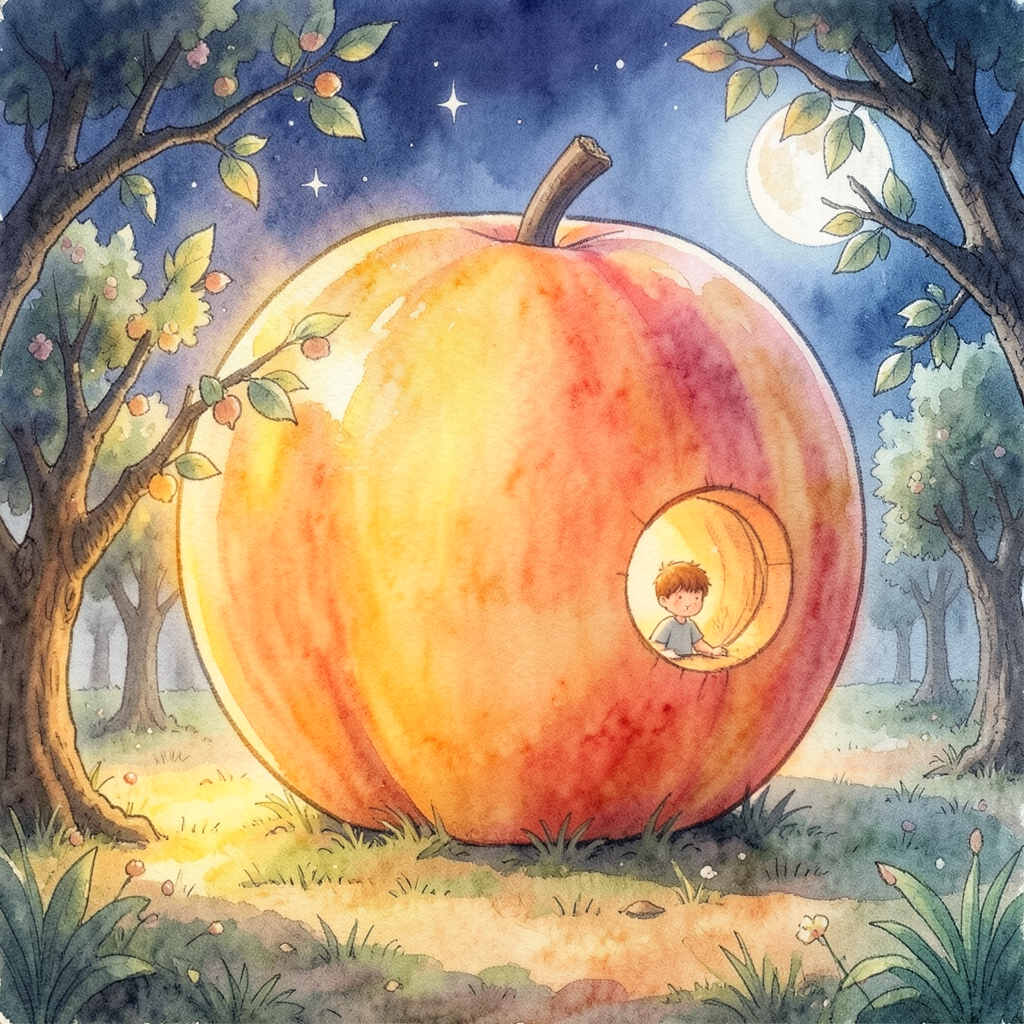
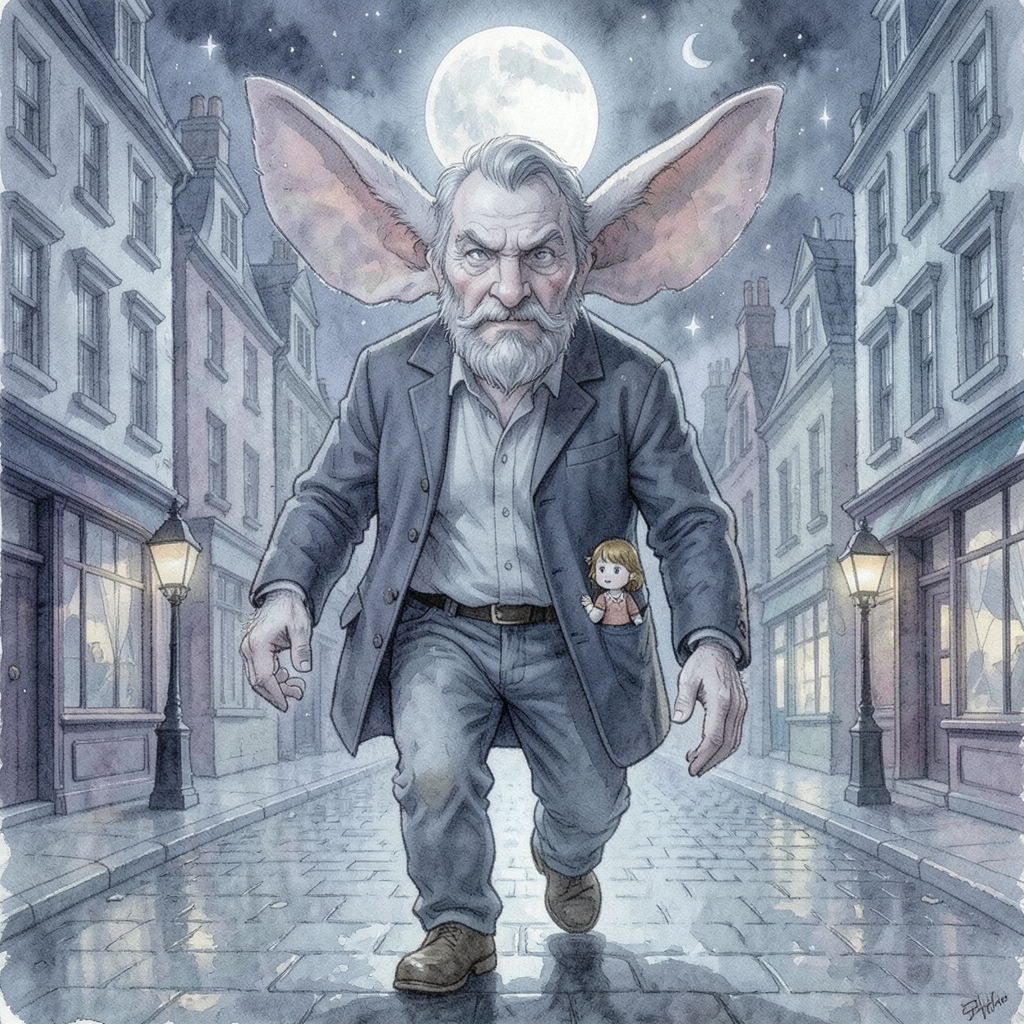
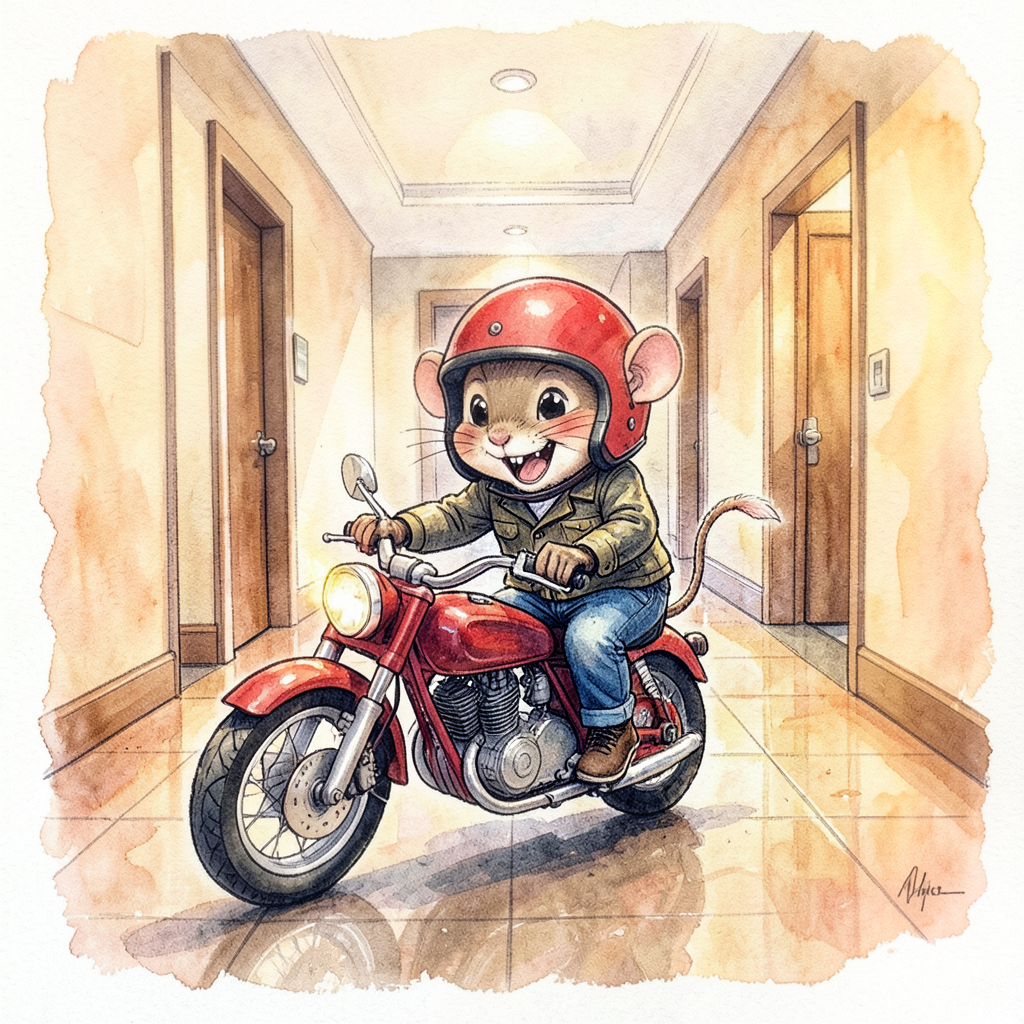
Dahl's other novels are natural next steps: Danny the Champion of the World has a similarly clever child outsmarting cruel adults, and James and the Giant Peach has the same dark-funny tone. Beyond Dahl, Stuart Little by E.B. White appeals to children who love small protagonists with big inner lives, and The BFG (also Dahl) is a great step if your child wants more magic.
Does the book have any positive adult role models, or are all the grown-ups horrible?
Miss Honey is one of the warmest, most genuinely caring adult characters in all of children's literature — patient, encouraging, and brave in her own quiet way. Her relationship with Matilda is the emotional heart of the book, and it gives children a clear model of what a supportive adult looks like, which is part of why the story feels so satisfying and hopeful.