Miss Rumphius
About This Book
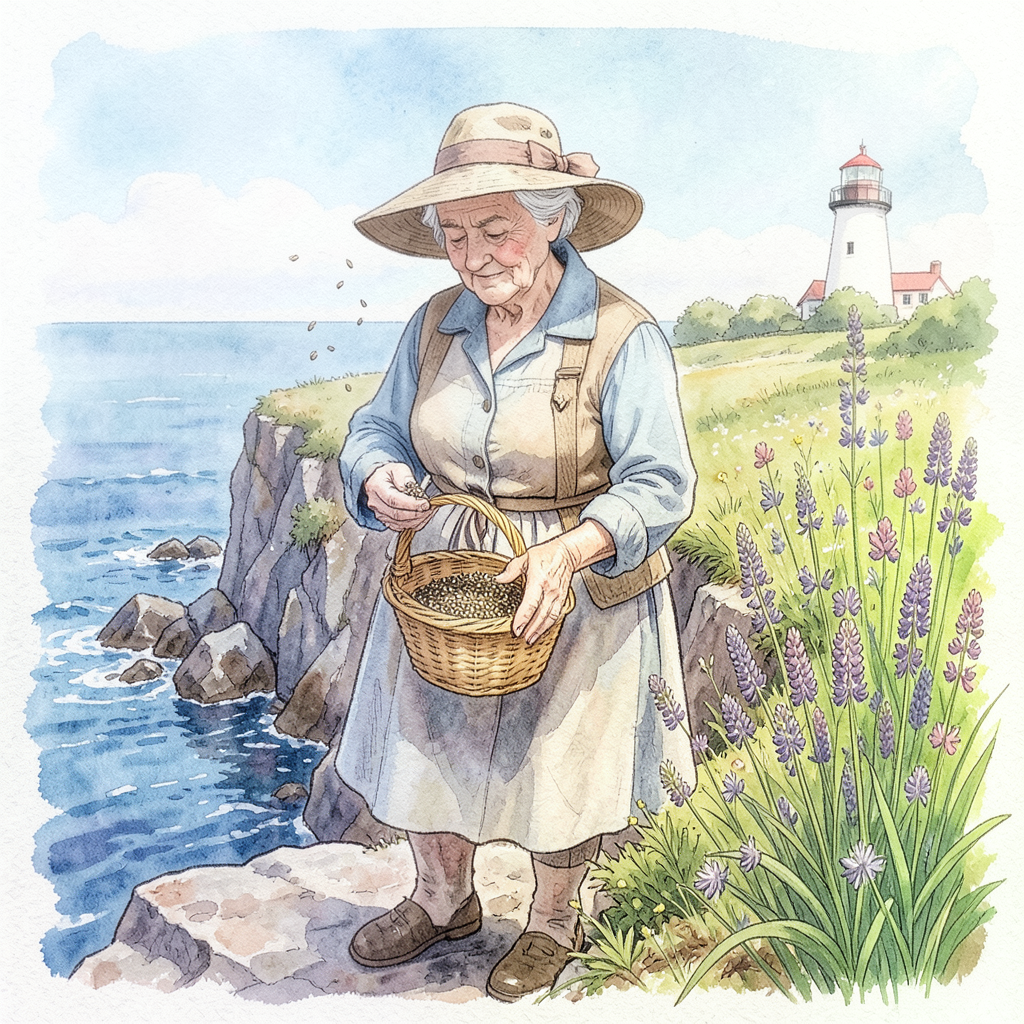
Alice Rumphius grows up hearing her grandfather's charge: she must do something to make the world more beautiful. After traveling to faraway places and living by the sea, she fulfills her promise by scattering lupine seeds across her town, transforming the landscape into fields of blue, purple, and pink flowers.
Themes
PurposeNatureLegacy
Best For
- Children who love nature, flowers, or gardening and will connect with the lupine-scattering climax
- Families looking for a conversation starter about purpose, legacy, and how we contribute to our communities
- Classroom read-alouds around themes of environmental stewardship or community service
- Children with a sense of wanderlust or big dreams about travel and adventure
- Grandparents reading with grandchildren — the intergenerational relationship at the book's heart resonates deeply
Why Parents Love This Book
Miss Rumphius has been treasured by families for over four decades because it does something rare: it asks children to think about legacy before they even know the word. Alice Rumphius grows up wanting three things — to travel to faraway places, to live by the sea, and to do something to make the world more beautiful. Barbara Cooney's luminous illustrations carry Alice from a young girl in her grandfather's seaside shop all the way through a full, wandering life, and the warm, unhurried pacing lets children absorb each stage. The lupine-scattering finale is visually breathtaking — hillsides erupting in blue, purple, and pink — but what lingers is the quiet moral beneath it: one person's small, determined act can transform an entire landscape. The story never tells children what their beautiful act must be. That open invitation is exactly what makes it enduring. Every reading leaves children and parents a little more thoughtful about how they might leave the world better than they found it.
Reading Tips for Parents
Read this one slowly. Cooney's illustrations reward lingering — pause on the spread of Alice's travels and invite your child to point out the faraway landscapes before you read the text. When you reach the grandfather's charge to "do something to make the world more beautiful," stop and ask what your child thinks that might mean for Alice. After finishing, give the question back to your child: what could they do? Resist the urge to answer for them. Younger children (4–5) will focus on the flowers; older children (6–7) often connect to legacy and purpose more deeply. If lupines grow in your region, this book pairs wonderfully with a walk in spring. Some children ask whether Alice was lonely living by the sea; that thread is worth following if it comes up.
Awards & Recognition
- American Library Association Notable Children's Book (1983)
- National Book Award for Children's Books (1983)
Educational Value
This book helps children develop skills across multiple areas:
- Vocabulary: Introduces rich, specific words like 'lupine,' 'conservatory,' and 'tropics' in context, expanding children's descriptive language naturally.
- Social-emotional learning: Encourages children to think about purpose and contribution — what they can give to their community and world, not just what they want for themselves.
- Life cycles and nature: The lupine seed-scattering and blooming sequence introduces how plants spread and how one small action can multiply across a landscape.
- Narrative structure: Alice's story follows a clear arc across a full lifetime, giving early readers experience with time passing and cause-and-effect across a longer story.
- Cultural awareness: Alice's travels expose children to the idea of a wide, varied world with different places, climates, and ways of living.
- Creative thinking: The open-ended 'make the world more beautiful' charge invites children to brainstorm their own unique contributions, practicing divergent thinking.
Discussion Questions
Use these questions to spark conversation before, during, or after reading:
- What three things did Alice Rumphius want to do when she grew up? Do you want any of those same things?
- Why do you think Alice's grandfather told her she had to make the world more beautiful? What do you think he meant?
- Alice chose to scatter lupine seeds. What is something YOU could do to make the world more beautiful?
- Miss Rumphius traveled to many faraway places before she settled by the sea. If you could go anywhere in the world, where would you go and why?
- At the end of the book, children call Miss Rumphius the Lupine Lady. How do you think it feels to be remembered for something you did?
Content Notes for Parents
There are no scary, violent, or upsetting elements. Miss Rumphius does experience a back injury during her travels that confines her temporarily, and the story spans her entire life, which may prompt gentle questions about aging — both worth a brief, reassuring mention if your child is sensitive to those topics.
Frequently Asked Questions
What age is Miss Rumphius best for?
The book is ideal for ages 4 through 7, but it genuinely works across a wider range. Preschoolers love the flowers and the traveling; early elementary children start grappling with the legacy theme. Many parents report returning to it with 8- and 9-year-olds for richer discussion.
Is there anything in the book that might worry sensitive children?
Not significantly. Miss Rumphius hurts her back during her travels and must rest, and the story spans her whole life so she is shown growing old. Neither element is presented dramatically, but if your child is anxious about illness or aging it is worth a brief heads-up before you read.
What books are similar to Miss Rumphius?
If your child responds to the nature and legacy themes, try 'The Giving Tree' by Shel Silverstein or 'Grandfather's Journey' by Allen Say. For the same beautiful-world spirit with a more action-oriented protagonist, 'The Lorax' by Dr. Seuss is a natural companion.
Can I use this book to talk about environmental stewardship with my child?
Absolutely — it is one of the gentlest and most effective entry points for that conversation. Miss Rumphius does not lecture; she acts, and the visual payoff of the blooming lupine fields makes the impact of one person's care for the natural world concrete and inspiring for young children.
My child asked why Miss Rumphius never got married or had children. How do I handle that?
This is a natural question and a valuable one. Alice Rumphius lives a full, purposeful, joyful life entirely on her own terms. You can acknowledge honestly that some people choose that path and find it deeply meaningful — the book itself treats her life with complete warmth and dignity, which does a lot of the work for you.