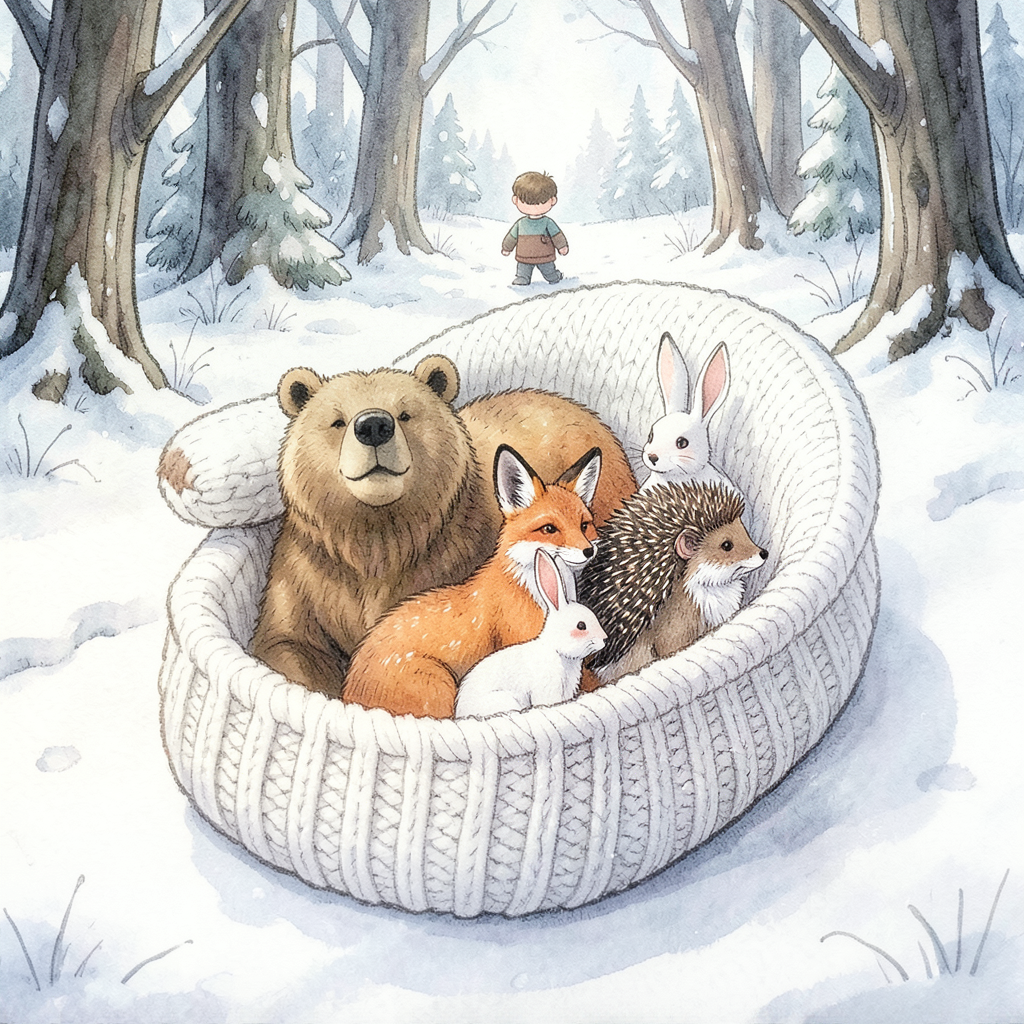
The Mitten
About This Book
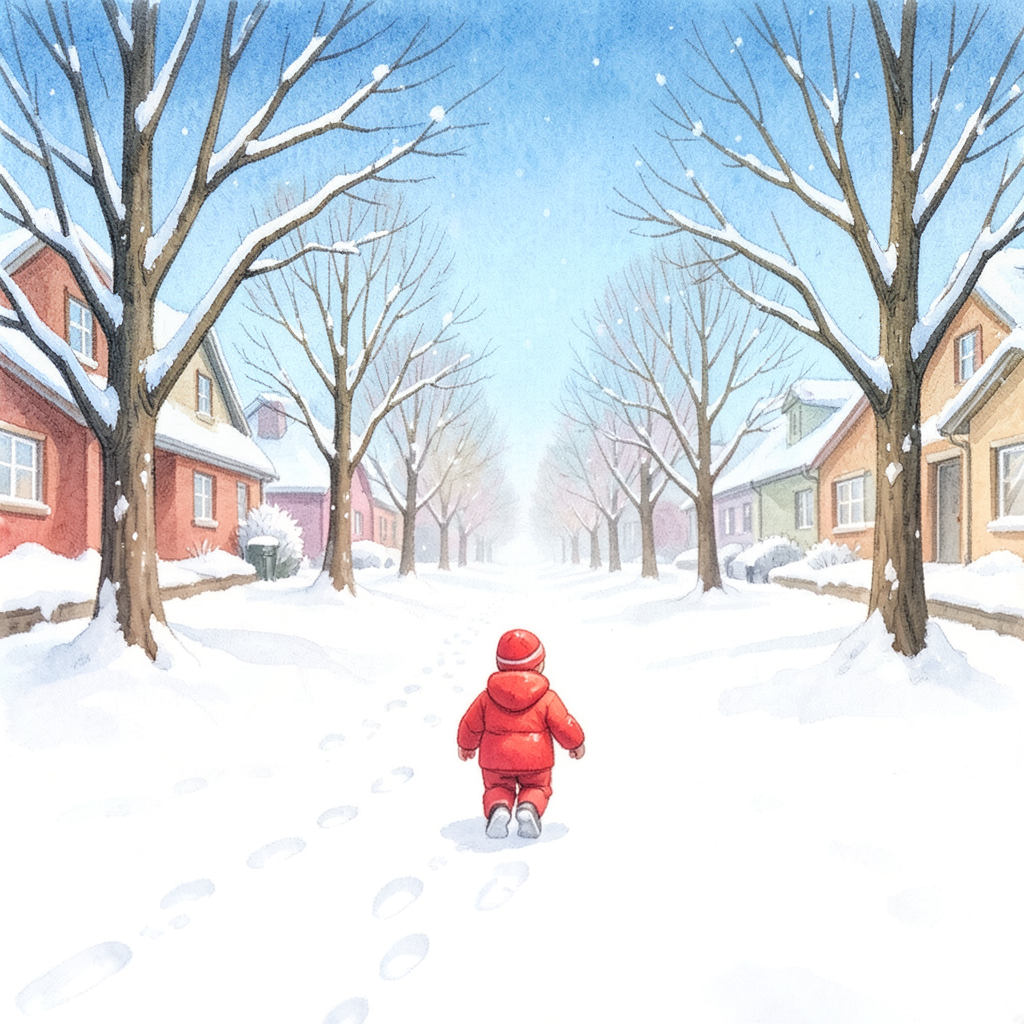
When Nicki drops his white mitten in the snow, a succession of woodland animals — from a tiny mole to a great bear — squeeze inside to keep warm. Jan Brett's intricate illustrations feature Ukrainian-inspired borders that foreshadow what's coming next in this cozy winter tale.
Themes
AnimalsSharingNature
Best For
- Winter and holiday storytime sessions at home, preschool, or library programs
- Children who love animals and enjoy learning the names of woodland creatures
- Early readers who benefit from repetitive, cumulative text structures for building confidence
- Read-alouds where a parent wants to make the session interactive and predictive
- Art-loving kids who will pore over the detailed Ukrainian-inspired border illustrations
Why Parents Love This Book
Jan Brett's "The Mitten" is a masterclass in visual storytelling. Based on a Ukrainian folktale, the story follows a dropped white mitten that becomes an improbable home for a growing parade of woodland animals — a mole, a rabbit, a hedgehog, a bear, and more — each one squeezing in until the whole thing bursts. What makes this book truly extraordinary is Brett's signature illustration technique: intricate, jewel-like borders on every page show the next animal approaching before children even see them in the main scene. This means kids are always one step ahead of the story, building suspense and encouraging prediction. The Ukrainian folk art motifs that frame each spread give the book a richness that rewards repeated reading. The cumulative structure, where each animal is introduced in the same pattern, gives young children the satisfying experience of anticipating what comes next — and then being rewarded by the inevitable, hilarious explosion. It is cozy, funny, and visually stunning.
Reading Tips for Parents
Before you open the book, point out the border panels to your child and explain that they show what happens next — then let your child be the "spotter" who watches the borders and alerts you. This one technique transforms the read-aloud into an interactive experience. As each new animal appears, pause and ask your child to name it before you read it. The cumulative, repetitive structure makes this book easy for kids to memorize and "read back" to you, which builds early literacy confidence. After finishing, try acting it out: assign family members or stuffed animals to each creature and squeeze into a blanket together. For winter storytime, pair this book with a hands-on mitten-matching activity using pairs of mittens pulled from a basket.
Awards & Recognition
- New York Times Best Illustrated Children's Books of the Year (1989)
- Notable Children's Books — American Library Association (ALA)
Educational Value
This book helps children develop skills across multiple areas:
- Sequencing: The cumulative structure — each new animal added to the previous list — gives children rich practice ordering events and retelling a story from beginning to end.
- Vocabulary: Introduces specific animal names (mole, rabbit, hedgehog, owl, badger, fox, bear, mouse) and descriptive winter words, expanding a child's nature vocabulary.
- Math: Counting the growing number of animals inside the mitten builds one-to-one correspondence and number sense in a memorable, concrete context.
- Prediction and inference: Jan Brett's border panels explicitly invite children to predict upcoming events, building a foundational comprehension strategy used in all future reading.
- Social-emotional: The story gently explores sharing space and the consequences of overcrowding, opening conversations about boundaries and compromise.
- Cultural awareness: The Ukrainian folk art aesthetic and the book's roots in a Ukrainian folktale offer an accessible, age-appropriate entry point to world cultures and storytelling traditions.
Discussion Questions
Use these questions to spark conversation before, during, or after reading:
- Why do you think all the animals wanted to get inside the mitten? What would you do if you found a warm mitten in the snow?
- The animals kept squeezing in even when the mitten was getting very full. Was that a good idea? What do you think the bear was thinking?
- Look at the borders on each page. What animal do you see waiting? Can you guess what it will do before we turn the page?
- If YOU could climb inside the mitten, which animal would you most want to sit next to, and which one would you least want next to you? Why?
- At the end, the mitten flies apart. How do you think Nicki felt when he finally found his mitten? How do you think the animals felt?
Content Notes for Parents
There are no scary, sad, or mature elements in this book. The animals cause minor chaos at the end when the mitten bursts, but the tone throughout is warm and comedic. This is a completely comfortable read for all children ages 4 and up.
Frequently Asked Questions
What age is 'The Mitten' best for?
The book is ideal for ages 4 through 7. The vocabulary is accessible and the humor lands well for preschoolers, while the detailed illustrations and folk art borders give kindergarteners and early elementary children plenty to explore. Many families read it repeatedly from age 3 through age 8 because each reading reveals new visual details.
Is this book related to a specific cultural tradition?
Yes. Jan Brett based 'The Mitten' on a Ukrainian folktale, and the illustrations are richly decorated with Ukrainian folk art motifs. Brett traveled to Ukraine to research the visual style. This makes the book a gentle, natural way to introduce children to the idea that wonderful stories come from cultures all around the world.
Are there any scary or upsetting moments I should know about?
No. The only dramatic moment is when the mitten stretches to its breaking point and bursts open, sending all the animals flying — which children find hilarious rather than frightening. There is no danger, loss, or sadness in this story. It is one of the gentlest books you can choose for this age group.
My child wants me to read this every night. Is that normal?
Absolutely — this is one of the most re-read picture books in the genre. The predictable structure makes children feel competent and in control, which is deeply satisfying for young readers. Repeated readings also allow children to notice new details in Brett's elaborate borders each time. Leaning into the repetition rather than resisting it supports literacy development.
What books are similar to 'The Mitten' that we might enjoy next?
Jan Brett's own 'The Hat' is a natural companion, following a similar cumulative animal premise in the same winter landscape. 'The Napping House' by Audrey Wood uses a comparable stacking structure. For more Ukrainian folktale flavor, look for picture book adaptations of 'The Turnip.' And for more Jan Brett, 'Goldilocks and the Three Bears' showcases the same signature border panel technique.