Ramona Quimby, Age 8
About This Book
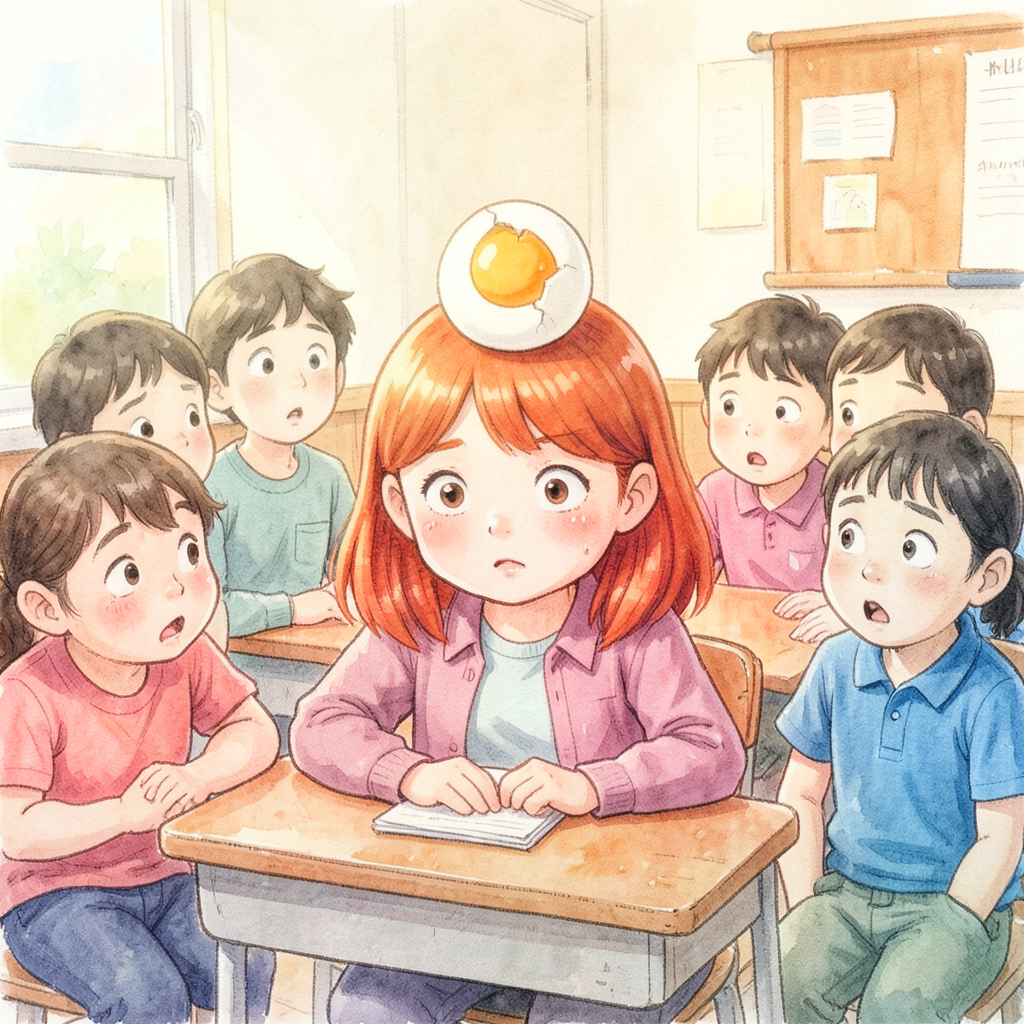
Ramona starts third grade hoping to be mature and responsible now that she's eight. But life has other plans — she cracks a raw egg on her head, throws up at school, and worries about her family's tight budget. Through it all, Ramona's irrepressible spirit and loving family see her through.
Themes
FamilyGrowing UpResilience
Best For
- Children who have experienced a mortifying moment at school and need to see that life goes on
- Families looking for a funny, warm read-aloud to share together over several evenings
- Reluctant chapter-book readers who need short, punchy chapters with a relatable main character
- Kids navigating family stress or change, who benefit from seeing a loving but imperfect family work things through
- Classroom read-alouds for second or third grade, especially early in the school year
Why Parents Love This Book
Beverly Cleary's Ramona Quimby, Age 8 has enchanted young readers since 1981 because it gets childhood exactly right. Ramona is not a simplified, sanitized kid — she is genuinely, hilariously flawed. She cracks a raw egg on her own head in front of her class (convinced it will be cool), gets carsick at a restaurant on the worst possible day, and secretly worries whether her family has enough money. None of it is played for easy laughs. Cleary treats Ramona's embarrassments and anxieties with real tenderness, which is why kids see themselves so clearly in her. The Quimby family dynamics feel completely authentic — a tired dad in school, a working mom, a dismissive older sister, and a neighborhood friend who keeps life interesting. The book is funny without being slapstick, warm without being sentimental, and emotionally honest in ways children rarely encounter in fiction. Decades after publication, Ramona remains one of the most beloved characters in American children's literature for very good reason.
Reading Tips for Parents
This is an ideal read-aloud for ages 6-8 and a strong independent read for confident readers at 7-10. The chapters are short and self-contained enough for nightly reading sessions. When reading aloud, pause after the egg scene or the restaurant chapter to ask your child how they think Ramona is feeling — the book rewards that kind of reflection. The subplot about the family's tight finances is realistic and may prompt genuine questions about your own family's budget; embrace those conversations rather than deflecting them. Cleary never condescends, so children often pick up on nuances adults don't expect. If your child struggles with social anxiety or school embarrassment, Ramona's resilience provides a genuine model — not a pep talk, but a story that validates hard feelings and shows a way through them.
Awards & Recognition
- Newbery Honor Book, 1982
- New York Times Outstanding Book of the Year, 1981
Educational Value
This book helps children develop skills across multiple areas:
- Social-emotional learning: Ramona models how to keep going after public humiliation, showing children that embarrassment is survivable and does not define them.
- Vocabulary: Cleary uses precise, expressive language throughout — words like 'irrepressible', 'exasperated', and 'forlorn' appear in natural context, building reading comprehension organically.
- Financial literacy: The family's money worries open a child-accessible conversation about budgets, needs vs. wants, and why parents work hard.
- Empathy: Readers are invited inside Ramona's point of view repeatedly, practicing perspective-taking as they distinguish what Ramona intends from how others see her.
- Reading stamina: Short, incident-driven chapters make this an excellent bridge book for children moving from early readers to longer chapter books.
- Family and community: The Quimby household demonstrates healthy family conflict resolution — disagreements happen, feelings get hurt, and repair follows.
Discussion Questions
Use these questions to spark conversation before, during, or after reading:
- Why do you think Ramona thought cracking the egg on her head was a good idea? Have you ever done something that seemed fun in your imagination but went wrong in real life?
- Ramona worries about her family not having enough money. How do you think those worries made going to school harder for her?
- How does Ramona's family help her feel better when things go badly? Can you think of a time your family helped you through a tough day?
- Ramona's teacher Mrs. Whaley says something that really hurts Ramona's feelings. Was that fair? What would you have wanted the teacher to do differently?
- By the end of the book, do you think Ramona has changed at all since the beginning? What is one way she seems more grown up?
Content Notes for Parents
There are no frightening, violent, or mature elements in this book. The most upsetting moment — Ramona getting sick at school and overhearing her teacher describe her as a nuisance — may resonate deeply with sensitive children, but it is handled with compassion and resolves positively.
Frequently Asked Questions
What age is this book best suited for?
Ramona Quimby, Age 8 works well as a read-aloud starting around age 6 or 7. As an independent read, most children are ready for it between ages 7 and 10. The emotional themes resonate strongly with kids who are themselves navigating the early elementary years, so children right around Ramona's age — 8 — often connect with it most deeply.
Is this a good book for a child who is anxious about school?
It can be genuinely helpful. Ramona faces real school anxiety — worrying what classmates think, fearing she has embarrassed her family, feeling misunderstood by a teacher. Cleary validates those feelings without dismissing them, and Ramona's resilience is modeled rather than preached. Many parents report that anxious children find it comforting to see a character they love navigate similar fears and come out okay.
Does the book deal with money problems in a way that might worry young readers?
The Quimby family faces financial stress — Ramona's father has gone back to college, and money is tight. Cleary presents this honestly but not alarmingly. Children who are aware of their own family's financial pressures may find this validating. It can open a productive conversation, but it is unlikely to introduce fears a child doesn't already have.
Do I need to read earlier Ramona books first?
No. Each Ramona book works as a standalone, and Cleary provides enough context that new readers are never lost. That said, children who love this book almost always want to go back and read the earlier titles in the series, so it can serve as a great entry point into a longer reading journey.
What books would you recommend if my child loves Ramona Quimby, Age 8?
Children who connect with Ramona often enjoy other realistic, funny chapter books with strong characters, such as the Judy Moody series by Megan McDonald, the Clementine series by Sara Pennypacker, or the Fudge books by Judy Blume. For a slightly more challenging read with similar warmth, try From the Mixed-Up Files of Mrs. Basil E. Frankweiler by E.L. Konigsburg.