The Witches
About This Book
A young boy and his Norwegian grandmother know the truth about witches — they're real, they despise children, and they look like ordinary women. When the boy stumbles upon the annual meeting of all the witches in England at a seaside hotel, he's turned into a mouse but hatches a plan to turn the tables.
Themes
CourageClevernessFamily
Best For
- Children aged 8-10 who are ready for their first genuinely scary story with real stakes
- Families who enjoy reading aloud together and want a book that will make everyone laugh and gasp in equal measure
- Kids who loved James and the Giant Peach or Charlie and the Chocolate Factory and are ready for something darker
- Reluctant readers who respond to fast pacing, gross-out humor, and an underdog hero
- Classroom read-alouds studying character relationships, courage, or narrative structure
Why Parents Love This Book
Roald Dahl's The Witches is a masterclass in what children's fiction can do when it refuses to condescend to its readers. Published in 1983, it pairs genuine menace with laugh-out-loud absurdity in a way few authors have matched before or since. The witches here are not pantomime villains — they are disgusting, plausible, and frighteningly ordinary-looking, which is precisely what makes them so effective. Yet at the heart of the story is something deeply warm: the relationship between the boy and his cigar-smoking, sharp-tongued Norwegian grandmother, who is perhaps the most lovable mentor figure in all of Dahl's work. She shares her knowledge freely, takes her grandson seriously, and refuses to be rattled. The plot moves at a cracking pace, the humor is gleefully gross, and the ending is genuinely unexpected. Quentin Blake's scratchy, expressive illustrations perfectly complement the darkly comic tone. Children who meet this book at the right age tend to remember it for life.
Reading Tips for Parents
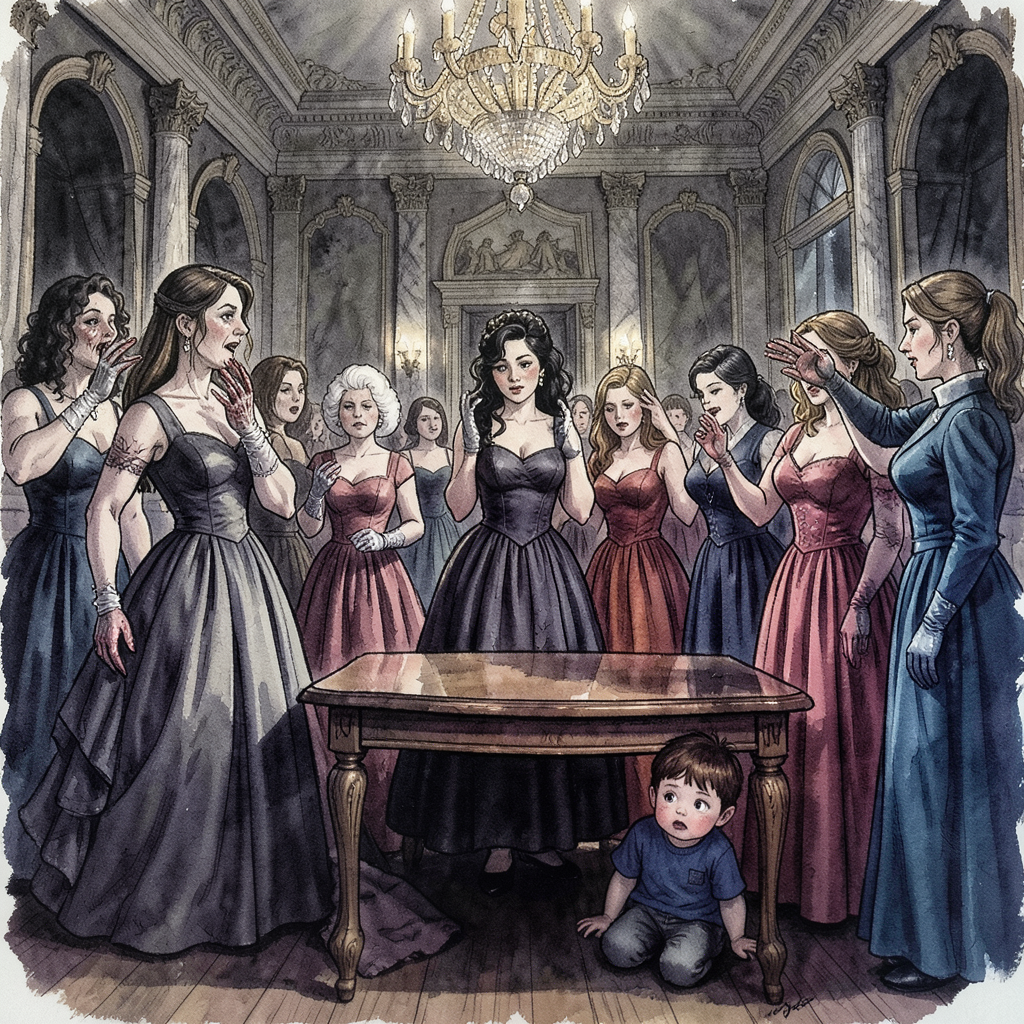
Before reading, spend a few minutes on the opening pages where Dahl describes how to spot a real witch — children find this genuinely suspenseful, and it sets up the stakes beautifully. Read aloud the grandmother's Norwegian folk tales sections slowly; the deadpan delivery lands better that way. The scene in the hotel ballroom is intense, so pause afterward to talk about how the boy stays calm under pressure. Younger or more sensitive readers (even within the 8-12 range) may find the transformation scenes and descriptions of witches' physical features disturbing — preview those sections if your child startles easily. The ending departs from a conventional happy resolution; some children find it sad, others find it perfect. Either response opens a great conversation about what makes an ending satisfying.
Awards & Recognition
- New York Times Outstanding Book of the Year (1983)
- Whitbread Award nominee (1983)
- Frequently listed on school reading lists and library 'best of' classics across the UK and US
Educational Value
This book helps children develop skills across multiple areas:
- Vocabulary: Rich, precise language including words like 'discrimination,' 'formulate,' and 'incognito' — ideal for expanding vocabulary in context rather than from a word list.
- Critical Thinking: The boy must observe, analyze, and form a plan under extreme pressure, modeling strategic thinking and problem-solving.
- Social-Emotional: The grandmother-grandson bond illustrates unconditional love, trust, and the value of having an adult who listens to and believes children.
- Media Literacy: Dahl's narrator directly addresses the reader and challenges them to question appearances, building awareness of unreliable surfaces and the importance of looking deeper.
- Narrative Structure: The book demonstrates foreshadowing, rising action, and a subverted climax — useful for students beginning to study story craft.
- Cultural Awareness: Norwegian folk traditions and the grandmother's Scandinavian worldview introduce children to the idea that different cultures carry distinct stories and knowledge systems.
Discussion Questions
Use these questions to spark conversation before, during, or after reading:
- Why do you think Grandma knows so much about witches? What does that tell us about her?
- The Grand High Witch says she hates children. The boy still tries to stop her. What gives him the courage to act even when he's scared?
- If you were turned into a mouse but kept your own mind and memories, what would be the hardest part? What might actually be fun?
- Grandma never panics, even when terrible things happen. How does her calmness affect the boy — and how does it affect you as a reader?
- Did the ending feel happy or sad to you? Do you think the author made the right choice? Why?
Content Notes for Parents
This book contains genuinely scary elements — grotesque descriptions of witches, a child being transformed into a mouse, and child-harm as a central threat — that may disturb sensitive readers under age 7 or 8. The ending also resists a tidy happy resolution, which some younger children may find upsetting.
Frequently Asked Questions
What age is this book really right for?
Most children enjoy it most between ages 8 and 11. The reading level is accessible to strong readers at age 7, but the content — particularly the witch descriptions and the transformation scene — is better suited to children who can handle genuine suspense without nightmares. Parents know their child best, so preview the hotel ballroom chapters if you're unsure.
The 1990 movie ending is different from the book ending. Which should we read first?
Read the book first. Dahl's original ending is intentionally bittersweet and sparks much better conversation than the film's altered conclusion. Once they've read the book, watching the film and comparing the two endings is a fantastic critical-thinking exercise in itself.
Is this book appropriate for school?
Yes, and it is widely used in UK and US classrooms for grades 3-5. Some parents occasionally raise concerns about the witch descriptions or the theme of adults meaning children harm, but these elements are handled with dark humor rather than graphic violence. The book's core messages about courage and family are clearly positive.
My child is scared of the witch descriptions. Should I stop reading?
Not necessarily — a degree of productive fear is part of what makes the book memorable. Try continuing but reading those scenes in a well-lit room and reassure your child that the boy always has his grandmother on his side. If the anxiety persists beyond reading sessions, it is fine to set the book aside and return to it in a year or two.
What books would you recommend after The Witches?
For more Dahl, try Danny the Champion of the World or The BFG, both of which share the theme of a child and a beloved adult facing a larger world together. For something with a similarly dark comic tone by a different author, Neil Gaiman's Coraline is a natural next step for readers aged 9 and up.