The Adventures of Tom Sawyer
About This Book
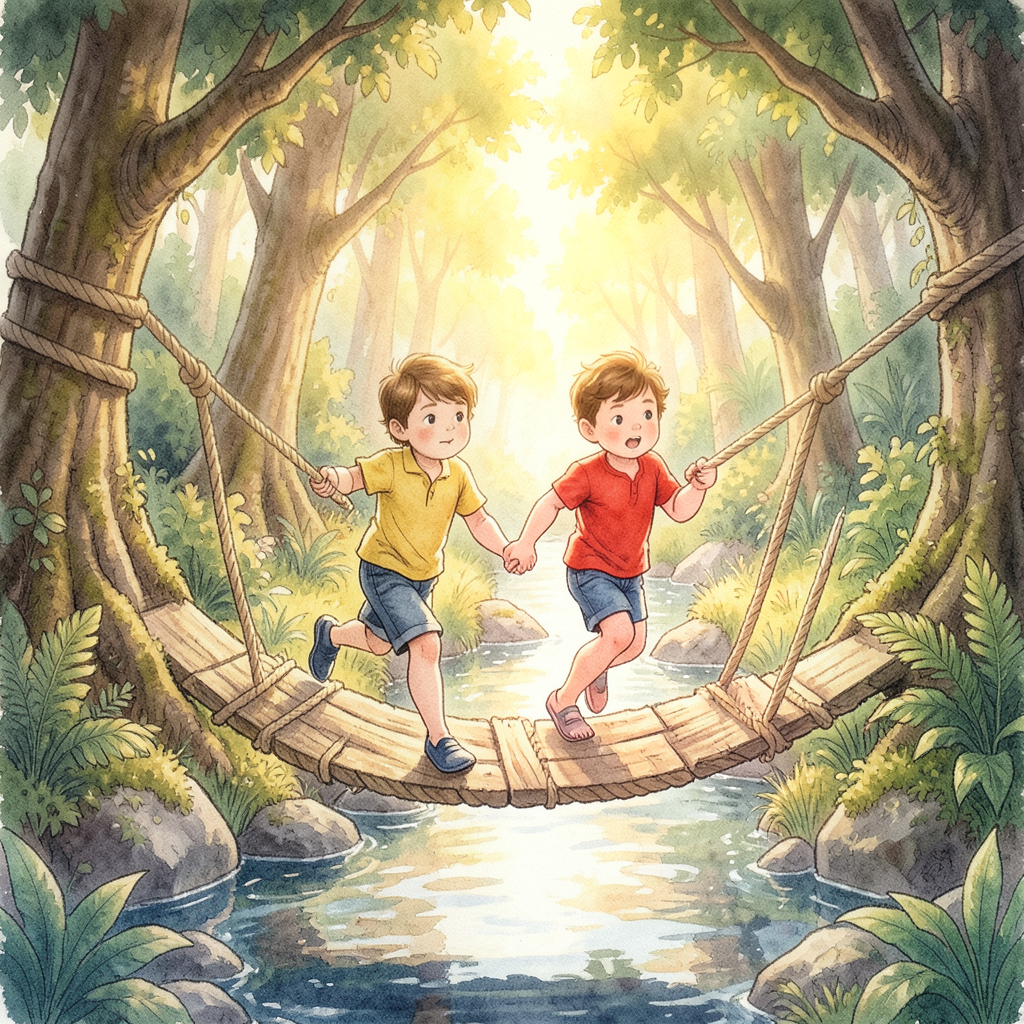
Tom Sawyer whitewashes fences, falls in love, witnesses a murder, and stumbles upon buried treasure on the banks of the Mississippi River in one of American literature's most irresistible boyhood adventures. Mark Twain's original classic is funny, sharp, and full of the anarchic energy that makes childhood feel like the greatest adventure of all.
Themes
AdventureMischiefFriendship
Best For
- Independent readers aged 9-12 who are ready to move from easy chapter books to a more substantial classic novel
- Family read-aloud sessions where Twain's humor and dialogue can be savored together and discussed in real time
- Summer reading when the themes of freedom, outdoor adventure, and escaping routine feel especially alive
- Children who love mischief and rule-bending and need to see a hero who is imperfect but genuinely grows
- Classroom or homeschool units on American history, 19th-century literature, or the development of the American novel
Why Parents Love This Book
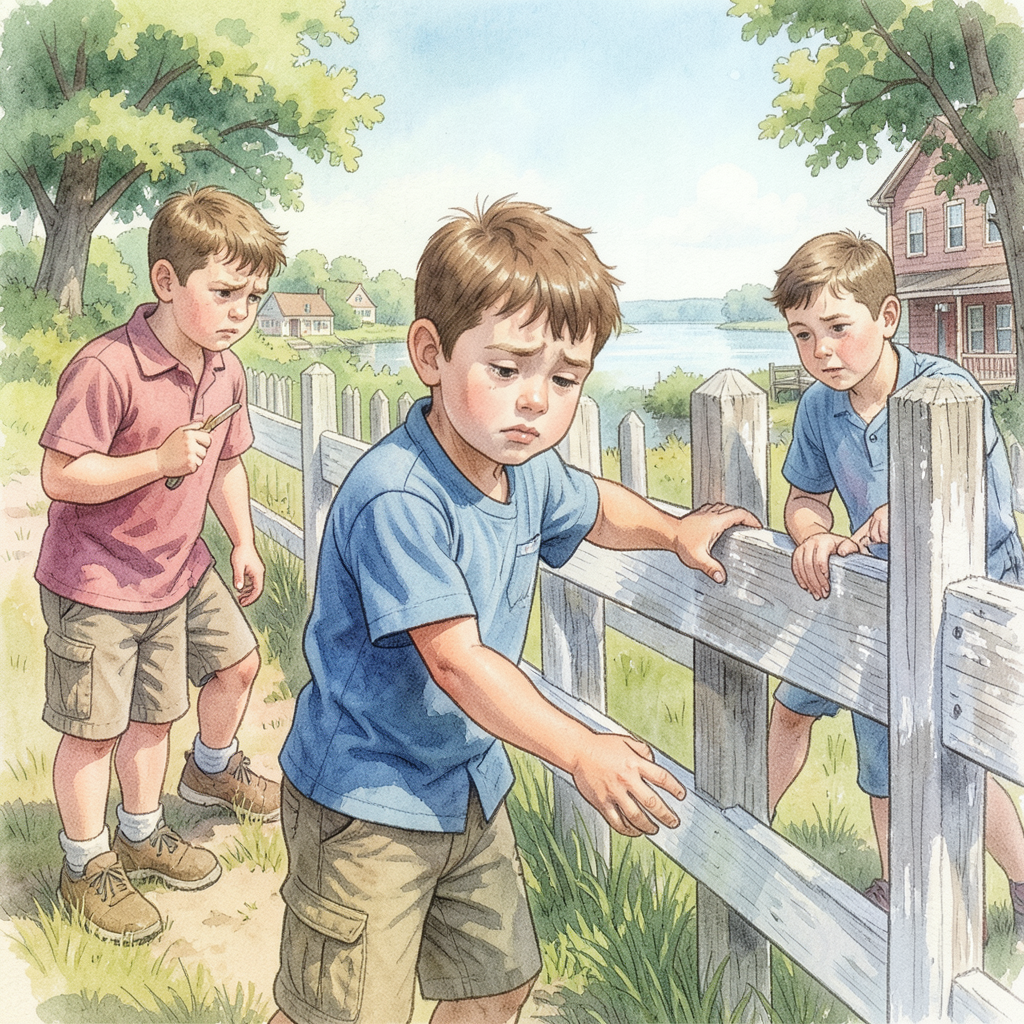
Published in 1876, The Adventures of Tom Sawyer remains one of the most purely enjoyable coming-of-age novels in American literature, and it earns that status on every page. Mark Twain gives us a hero who is not particularly virtuous — Tom skips school, tricks his friends, and bends every rule he can find — yet readers of every generation root for him completely. That tension between mischief and genuine bravery is the heart of the book. When Tom and Huck witness a murder in the graveyard and Tom eventually stands up to testify against the dangerous Injun Joe, the stakes become real and the comedy gives way to genuine courage. Twain's voice is warm, sly, and endlessly quotable, making the novel as pleasurable for adults reading aloud as it is for children reading independently. The fence-whitewashing scene alone has taught more children about persuasion and human nature than a shelf of textbooks ever could. This is a book that makes childhood feel like an epic.
Reading Tips for Parents
The language and setting of 1876 Missouri will feel unfamiliar at first, so a brief orientation helps: let your child know this is the American frontier South, and some words and attitudes reflect that era honestly. The racial language in the text is a real conversation starter about how language changes and why it matters. The murder plot and Injun Joe as a villain can feel genuinely menacing, which is actually a feature for most 8-12 year olds who are ready for real stakes in fiction. If your child is a reluctant reader, the fence-whitewashing scene in Chapter 2 is an excellent entry point — read it together first and let the humor do the work. Chapters are short enough to make natural stopping points for discussion without disrupting momentum.
Awards & Recognition
- Recognized as one of the 100 Best Novels in the English Language by the Modern Library (1998 readers' list)
- Included in the Library of Congress 'Books That Shaped America' exhibition (2012)
- Perennial bestseller — continuously in print since its first publication in 1876, making it one of the longest-running bestselling novels in American publishing history
Educational Value
This book helps children develop skills across multiple areas:
- Vocabulary: Twain's 19th-century prose introduces words like 'melancholy,' 'ague,' 'prodigious,' and 'derision' in rich context, building dictionary skills naturally through story.
- Historical thinking: The novel is a vivid primary-adjacent source for daily life in the antebellum American South — schooling, religion, superstition, and river culture — sparking genuine historical curiosity.
- Social-emotional: Tom's journey from self-centered mischief-maker to someone willing to risk personal safety for others models the development of moral courage in an age-appropriate way.
- Critical thinking: The fence-whitewashing episode is a masterclass in persuasion and reverse psychology, giving readers concrete language to analyze how people influence one another.
- Literary analysis: As one of the founding texts of American vernacular fiction, the book introduces concepts like unreliable perspective, dramatic irony, and satire in an accessible form.
- Media literacy: Comparing the 1876 text to film and stage adaptations over the decades helps children understand how stories are interpreted across time and culture.
Discussion Questions
Use these questions to spark conversation before, during, or after reading:
- Tom tricks his friends into whitewashing the fence by making it seem like a privilege. Have you ever convinced someone to do something by making it sound more fun than it really was? How did you do it?
- When Tom and Huck see the murder in the graveyard, they make a blood oath not to tell anyone. Do you think keeping that promise was the right thing to do? What would you have done?
- Tom skips school, avoids chores, and bends every rule he can — but he also shows real bravery at the end. Does doing something brave make up for bad behavior earlier? Why or why not?
- If you could spend one day having adventures with Tom and Huck along the Mississippi River, what would you want to do and what would you be nervous about?
- Becky Thatcher and Tom get lost in McDougal's Cave and Tom has to keep them both calm. What do you think helped Tom stay brave when he was scared?
Content Notes for Parents
The book contains a murder scene (witnessed by Tom and Huck in a graveyard), a menacing adult villain who threatens children's lives, and racial language and attitudes that reflect 1876 American society and will require direct conversation with parents. These elements make the novel most appropriate for readers aged 8 and up, and parental read-along or follow-up discussion is recommended for children on the younger end of that range.
Frequently Asked Questions
What age is this book really appropriate for?
Most children read this comfortably between ages 9 and 12, though strong readers can handle it at 8 with some parental support. The vocabulary is rich and the moral situations are genuinely complex, so younger or developing readers benefit most from reading it alongside an adult. The murder plot and threatening villain mean it is not well suited for children under 8.
How should I handle the racial language in the text?
The book uses language that was common in 1876 but is deeply offensive today, including a racial slur used to refer to a character. Most educators and parents recommend reading the original text and using those moments as direct, honest conversations about how language reflects the values — and failures — of its time. Sanitized editions exist but many educators prefer the original so the historical reality is not erased. Prepare your child before they encounter the language rather than letting it arrive without context.
My child loved Diary of a Wimpy Kid and Big Nate. Will they enjoy Tom Sawyer?
There is a strong thematic connection — all three center on a clever, mischief-prone boy navigating social life with humor — but Tom Sawyer is a more demanding read in terms of vocabulary and sentence length. If your child loved those books for the humor and the underdog protagonist, Tom Sawyer will likely delight them once they get past the first chapter or two. Starting with the fence-whitewashing scene aloud together can help hook reluctant readers.
Is this more appropriate as a read-aloud or an independent read?
Both work well depending on the child. Twain's dialogue is extraordinarily fun to perform aloud and the humor lands especially well when shared, so family read-aloud is highly recommended for ages 8-10. Children who are confident readers aged 10-12 often prefer to race through it independently and then talk about it afterward. Either way, some follow-up discussion adds a great deal to the experience.
What books would you recommend reading alongside or after Tom Sawyer?
The Adventures of Huckleberry Finn is the natural companion — it picks up Huck's story directly and goes deeper into questions of freedom, race, and conscience. For similar adventurous-boy energy in a more contemporary package, try Gary Paulsen's Hatchet or Richard Peck's A Long Way from Chicago. If your child became interested in the Mississippi River world, Laurence Yep's Dragon's Gate or Karen Hesse's Out of the Dust offer other vivid windows into American history through young protagonists.