The Wind in the Willows
About This Book
Along the banks of a river, gentle Mole, loyal Rat, wise Badger, and the irrepressible Mr. Toad share adventures and friendship. When the boastful Toad's mania for motor-cars lands him in prison, his three friends must unite to help him reclaim Toad Hall from the weasels and stoats who have taken it over.
Themes
FriendshipAdventureHome
Best For
- Families who enjoy reading aloud together over several weeks, as the episodic chapter structure makes it easy to pace
- Children who loved Charlotte's Web or Stuart Little and are ready for longer, richer prose with animal characters
- Quiet, imaginative readers who enjoy atmospheric storytelling and richly described natural settings
- Parents looking to introduce classic English literature before middle school in an accessible, joyful way
- Summer or autumn reading, when the book's seasonal river scenes feel especially resonant
Why Parents Love This Book
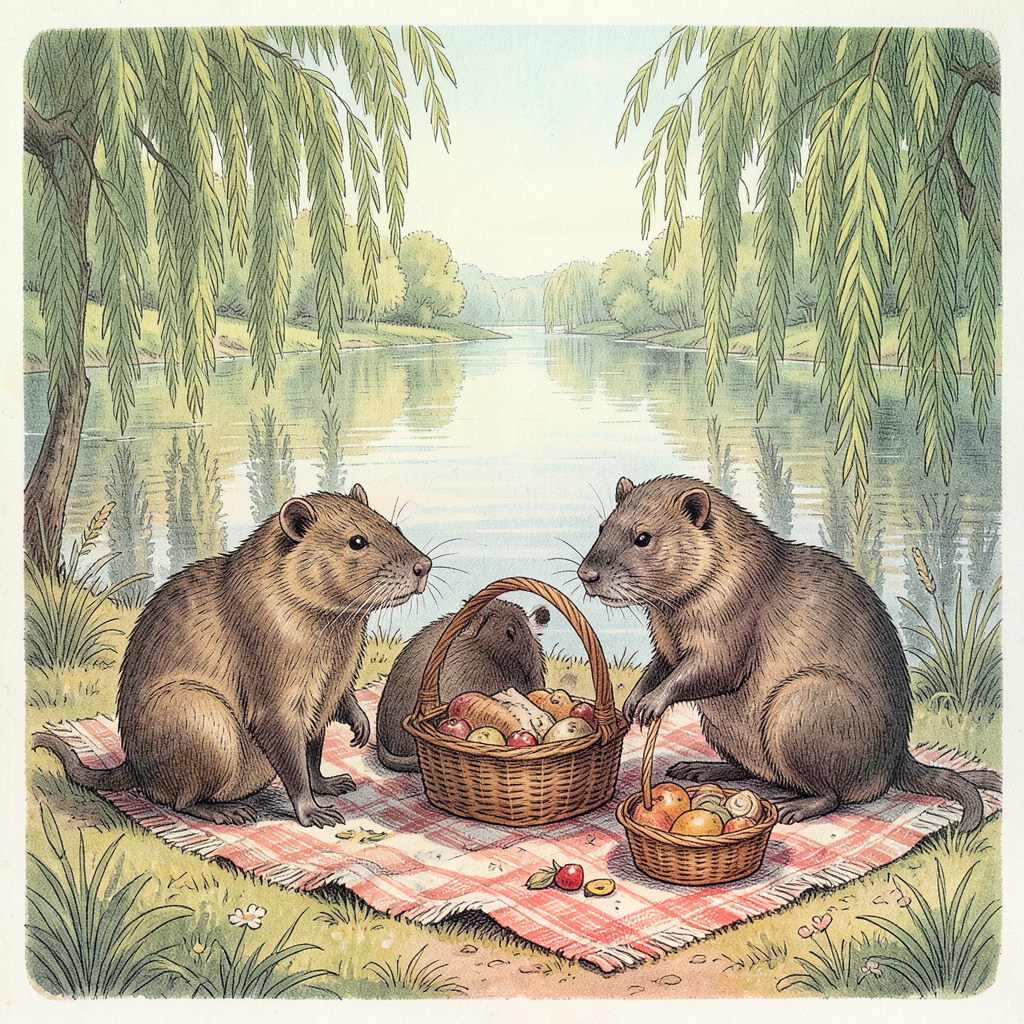
First published in 1908, The Wind in the Willows has endured for over a century because it captures something rare: a world where friendship is unconditional and home is worth fighting for. Kenneth Grahame's riverbank is one of literature's most comforting settings — peaceful, seasonal, and alive with small pleasures like a picnic basket or a boat drifting downstream. Yet the book never feels stagnant. The irrepressible Mr. Toad injects comic chaos at every turn, while Mole's journey from timid homebody to courageous friend gives the story its quiet emotional spine. The language is rich without being impenetrable, rewarding young readers who linger over sentences. Perhaps most importantly, the four central friendships model something genuinely beautiful: loyalty without expectation, help offered without judgment, and the understanding that different personalities can make each other stronger. This is a book children often return to as adults and find even more meaningful the second time around.
Reading Tips for Parents
This is a strong read-aloud candidate for ages 8-10, but confident independent readers at that age will also enjoy it solo. Grahame's prose is lush and occasionally old-fashioned, so pause to talk through archaic words like "portly" or "fastidious" as they come up — these become vocabulary-building moments rather than stumbling blocks. The Toad chapters are the most immediately entertaining and make excellent stopping points for chapter discussions. Quieter chapters like "The Piper at the Gates of Dawn" have a dreamlike, almost mystical quality that may prompt deeper conversations about nature and wonder. Consider following along on a simple river map or looking up illustrations by E.H. Shepard or Arthur Rackham to enrich the visual experience. The book pairs beautifully with a nature walk or picnic, bringing its riverside world to life.
Awards & Recognition
- Considered one of the greatest children's books in the English language and included on numerous 'best of' lists including the BBC's Big Read and Time magazine's list of the 100 best English-language novels
- Consistently ranked among the most beloved classic works in children's literature since its 1908 publication
Educational Value
This book helps children develop skills across multiple areas:
- Vocabulary: Rich, elevated prose introduces words like 'portly,' 'fastidious,' 'supercilious,' and 'capitulate' in context, building reading comprehension and diction naturally.
- Social-emotional: The friendship between four very different characters models empathy, loyalty, and the value of accepting friends for who they are — flaws included.
- Literary appreciation: Written in 1908, the book introduces young readers to classic English literature and exposes them to varied narrative tones, from comic adventure to lyrical nature writing.
- Critical thinking: Toad's repeated failures and poor judgment invite discussion about consequences, pride, and whether people can genuinely change.
- Geography and nature: Grahame's detailed riverbank world builds appreciation for seasons, wildlife, and the natural environment, sparking curiosity about rivers and woodland ecosystems.
- Character analysis: The distinct personalities of Mole, Rat, Badger, and Toad offer an early lesson in how authors create memorable, three-dimensional characters.
Discussion Questions
Use these questions to spark conversation before, during, or after reading:
- Why do you think Mole suddenly abandons his spring cleaning at the very beginning of the story? Have you ever felt a sudden urge to drop what you were doing and go explore?
- Mr. Toad is boastful and reckless, but his friends never give up on him. Why do you think Rat, Mole, and Badger stay loyal to Toad even when he causes so much trouble?
- The chapter called 'Dulce Domum' is about Mole returning to his old home. Why do you think the smell of his old burrow makes him cry? What place feels most like home to you?
- Badger, Rat, Mole, and Toad all have very different personalities. Which character do you think is most like you, and which would you most want as a friend?
- At the end of the story, the four friends work together to take back Toad Hall. What do you think would have happened if any one of them had refused to help?
Content Notes for Parents
There are no significant content concerns — no violence, mature themes, or frightening sequences beyond mild peril when Toad is imprisoned and the friends battle weasels to reclaim Toad Hall, which is handled in a lighthearted, comedic tone. This is a gentle, wholesome classic appropriate for the 8-12 age range.
Frequently Asked Questions
What age is The Wind in the Willows actually right for?
The book is listed for ages 8-12, and that range holds up well. Children on the younger end of that range will enjoy it most as a read-aloud, where a parent can help navigate the more formal Victorian prose. Independent readers aged 10-12 with strong reading skills will likely manage it on their own. Some very precocious 7-year-olds may enjoy listening to it, but it is not a book for early readers.
Is the language too old-fashioned for modern kids?
The prose is formal by today's standards, but that is part of its charm. Most children adapt quickly, especially when read aloud with expression. Encountering rich, unfamiliar vocabulary in context is genuinely good for developing readers. Pausing occasionally to discuss word meanings turns potential barriers into learning moments without disrupting the story's flow.
Are there any scary or upsetting parts I should prepare my child for?
Not really. Mr. Toad goes to prison and the friends must fight weasels to reclaim Toad Hall, but both situations are handled with humor and lightness rather than tension or fear. There is nothing here that would disturb an average 8-year-old. One chapter, 'The Piper at the Gates of Dawn,' has an ethereal, almost mystical quality that is unusual but not frightening.
My child liked this book — what should they read next?
Children who loved the riverbank world and animal friendships of this book often enjoy The Jungle Book by Rudyard Kipling, Watership Down by Richard Adams (best for ages 10 and up), or The Hobbit by J.R.R. Tolkien for a more adventurous next step. For something closer in tone, E.B. White's Charlotte's Web and Stuart Little share a similar warmth, though they are shorter and simpler.
Are there illustrated editions worth seeking out?
Yes — the illustrations vary significantly across editions, and the right one can greatly enrich the reading experience for younger readers. The E.H. Shepard illustrations (the same artist who illustrated Winnie-the-Pooh) are widely loved and considered the classic choice. Arthur Rackham's watercolor illustrations from 1940 are more painterly and atmospheric. Either makes a beautiful edition to own.