The Indian in the Cupboard
About This Book
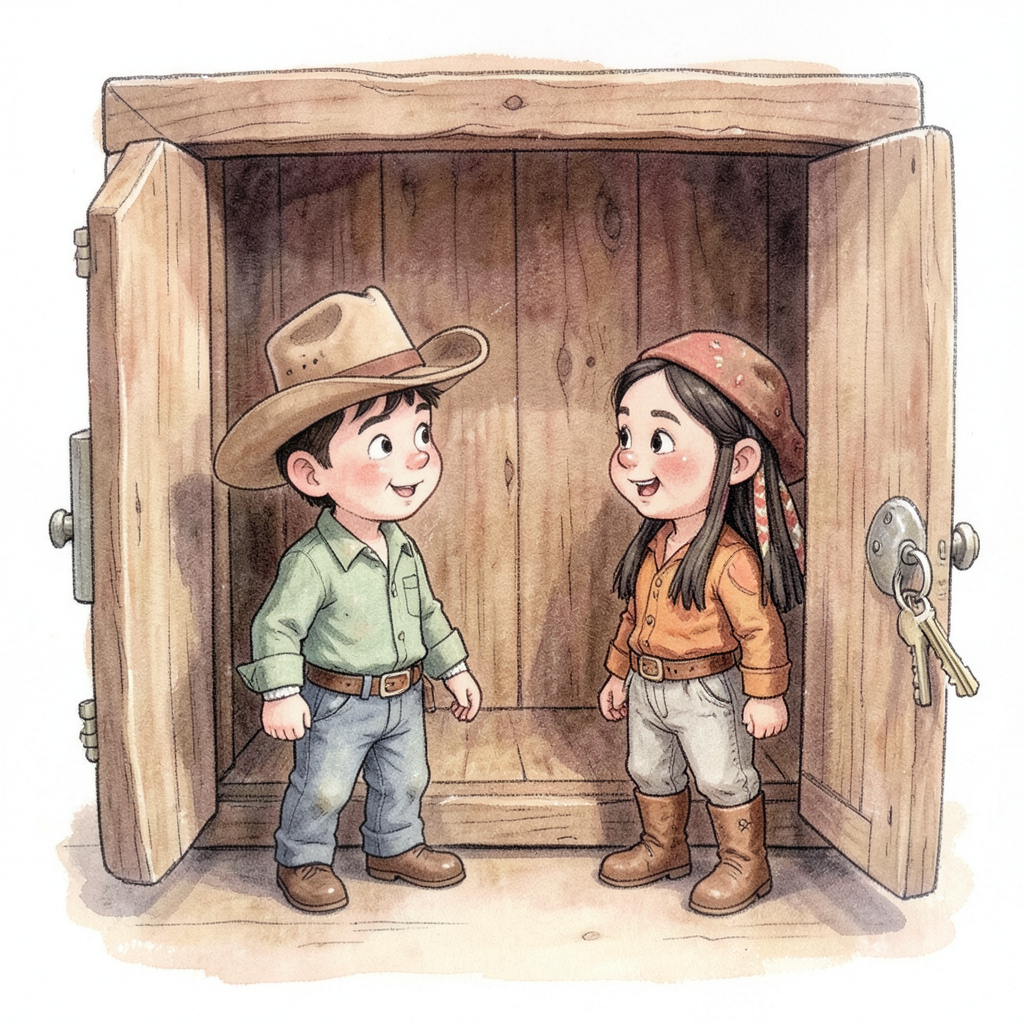
When nine-year-old Omri puts a plastic toy figure in an old cupboard and turns the key, the figure comes to life as a real, tiny Iroquois man named Little Bear. Omri must keep his secret while learning that having power over a living person comes with real responsibilities.
Themes
ResponsibilityFriendshipImagination
Best For
- Children ages 8-10 who have just finished shorter chapter books and are ready for a longer, more emotionally complex story
- Kids who love imaginative play and the idea of miniature worlds coming to life
- Family read-alouds where parents want a book that naturally sparks ethical conversations
- Reluctant readers who need a fast-paced premise to stay hooked through a full-length novel
Why Parents Love This Book
The Indian in the Cupboard earns its place as a beloved chapter book by doing something few children's novels manage: it takes the classic "toys come to life" premise and wraps it in genuine moral weight. When Omri discovers that his old cupboard can animate plastic figures, the story quickly moves beyond fantasy wish-fulfillment. Little Bear is not a toy to be played with — he is a real person, complete with his own language, customs, fears, and dignity. Lynne Reid Banks forces Omri (and young readers) to reckon with what it actually means to have power over another being. The pacing is propulsive, the miniature-world details are irresistible, and the friendship that develops between the two characters feels earned rather than magical. For readers ages 8-12, it is a rare book that feels like an adventure while quietly teaching empathy, cultural respect, and the difference between ownership and responsibility. The story remains emotionally resonant more than four decades after its 1980 publication.
Reading Tips for Parents
Read the first two chapters aloud together to establish the premise — once children understand the cupboard's magic, they are usually hooked enough to read independently. Pause early on to discuss Little Bear as a real person with his own culture and worldview, not a toy, since this framing makes the book's ethical arc much richer. The book uses the term "Indian" as it was commonly used in 1980; this is a good moment to talk with your child about how language and representation have evolved. If your child enjoys this book, the series continues across four sequels, so it can sustain a reading streak. Plan for about 10-12 reading sessions at a chapter or two per night for a typical third-to-fifth-grade reader.
Awards & Recognition
- ALA Notable Children's Book
- New York Times Notable Book of the Year
- School Library Journal Best Books of the Year (1980)
Educational Value
This book helps children develop skills across multiple areas:
- Vocabulary: Introduces rich, specific language including Iroquois cultural terms, period dialogue, and descriptive miniature-world imagery that expands a reader's word bank naturally through context.
- Social-emotional: Explores empathy and responsibility in concrete, story-driven terms — Omri learns that having power over someone is not the same as having the right to control them.
- History and Culture: Offers a window into Iroquois (Haudenosaunee) life, clothing, language, and customs in a way that humanizes a people often reduced to stereotypes in children's media.
- Ethics: Poses ongoing moral dilemmas — keeping secrets, the ethics of "owning" a living being, and when to ask for help — that spark genuine ethical reasoning.
- Reading stamina: At roughly 200 pages with short chapters, the book builds the habit of sustained independent reading for children transitioning from early chapter books to longer novels.
Discussion Questions
Use these questions to spark conversation before, during, or after reading:
- When Omri first realizes Little Bear is alive, he wants to show his friends. Why does he decide to keep it a secret, and do you think that was the right choice?
- Little Bear comes from a completely different time and culture than Omri. How do they learn to communicate and understand each other? What does that teach us about making friends with someone very different from ourselves?
- Omri has total power over Little Bear — he can pick him up, take him places, even decide whether to bring him to life at all. How does Omri feel about that power as the story goes on? Would you want that kind of power?
- If you had a magic cupboard, which plastic figure would you bring to life and why? What responsibilities would come with that choice?
- Little Bear is a proud Iroquois warrior. How does the story show respect for his identity and customs, and what did you learn about his way of life?
Content Notes for Parents
There is mild peril and some scenes of conflict involving a miniature cowboy and warrior that could feel intense for very sensitive younger readers, but nothing graphic or frightening. Parents should be aware that the book's language around Native identity reflects 1980 conventions and may warrant a brief conversation about representation and evolving terminology.
Frequently Asked Questions
What age is this book really right for?
The book is best suited for ages 8-12, with the sweet spot around ages 9-10. Younger children can enjoy it as a read-aloud, but the ethical themes and longer chapter structure are most rewarding for independent readers in third through fifth grade.
Is there anything in the book parents should know about before handing it to their child?
The book uses the term 'Indian' throughout, which was standard in 1980 but may prompt questions about language and representation. It is worth having a brief conversation about how terms and cultural respect have changed. The adventure scenes are mild and should not trouble most children in this age range.
Is this part of a series?
Yes. Lynne Reid Banks wrote five books in the series: The Indian in the Cupboard, The Return of the Indian, The Secret of the Arrow, The Mystery of the Cupboard, and The Key to the Indian. Children who love the first book often race through the sequels.
My child loved Charlotte's Web and The Phantom Tollbooth — will they enjoy this?
Very likely. Like those books, The Indian in the Cupboard pairs imaginative premises with real emotional and moral depth. Children who appreciate stories where the world feels magical but the characters' feelings are completely genuine tend to connect strongly with this one.
There was a movie adaptation — is it good to watch alongside the book?
A film adaptation was released in 1995 and is generally faithful to the main plot, though the book provides far more interior detail about Omri's thinking and the relationship with Little Bear. Most educators recommend reading the book first so children form their own mental images of the miniature world before seeing the film's version.