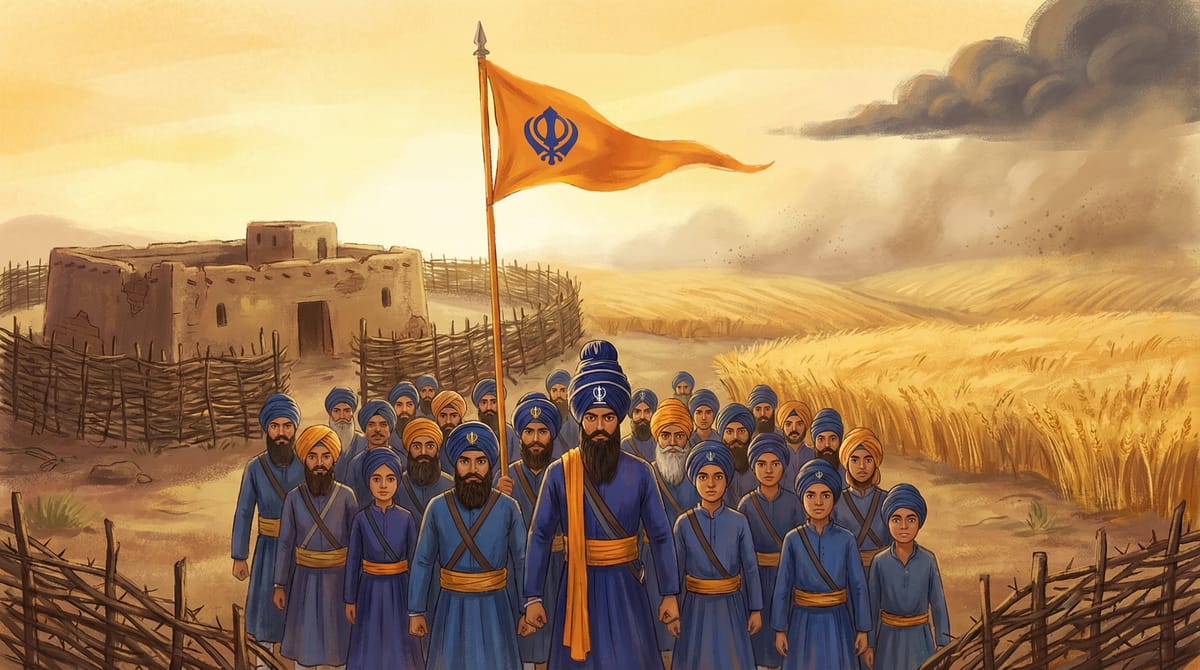
The Brave 22: The Story of Bhai Tara Singh Ji Wan
About This Book
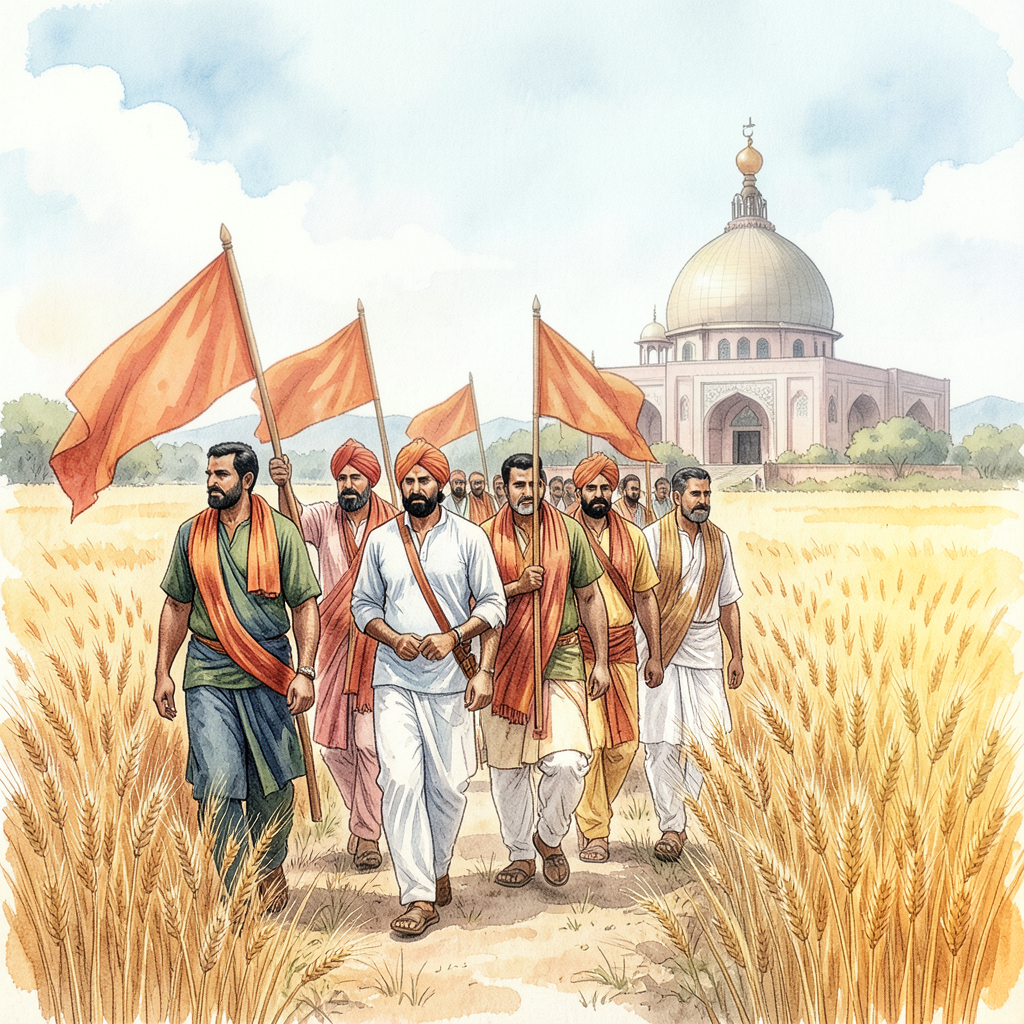
In eighteenth-century Punjab, Bhai Tara Singh Ji Wan and twenty-two Singhs stood their ground when an army of thousands came to destroy their village. Choosing faith and courage over surrender, they held on until help arrived. A stirring true story from Sikh history about what it means to stand firm when everything tells you to run.
Themes
CourageSikh HistoryBravery
Best For
- Families looking for Sikh history picture books for ages 4-7
- Classroom read-alouds during units on courage, community, or world history
- Parents wanting to introduce children to the concept of standing up for what is right even when it is hard
- Bedtime reads that spark meaningful conversations about values and heritage
Why Parents Love This Book
The Brave 22 brings to life a rarely told chapter of eighteenth-century Sikh history in a way that is both accessible to young readers and genuinely moving for adults. At its heart, the story is about twenty-three individuals who refused to abandon their village and their values even when outnumbered by thousands. What makes this book extraordinary is its unflinching honesty: these were real people who made a real choice, and the weight of that choice comes through on every page. Rather than flattening the narrative into simple heroism, the book invites children to sit with the tension of fear and resolve existing side by side. For Sikh families, it is a meaningful touchstone to heritage and the concept of Chardi Kala — an unwavering, positive spirit in the face of hardship. For all families, it is a powerful meditation on what courage actually looks like: not the absence of fear, but choosing to stand firm despite it. A story that will spark conversations long after the last page.
Reading Tips for Parents
Before reading, share a brief sentence about Punjab and what Sikhs believe about protecting others — this context helps children anchor the historical setting. During the read-aloud, pause when Bhai Tara Singh Ji Wan and his companions make their decision to stay, and ask your child what they notice about that moment. The pacing of the story builds naturally toward a point of tension, so let children sit with that suspense rather than rushing through it. After reading, it is worth naming the historical period explicitly (1700s) so children understand these were real events, not fiction. Because the story involves an army advancing on a village, some children may have follow-up questions about conflict; prepare to answer those simply and honestly. Keep a globe or map nearby — locating Punjab together after the story deepens the sense of place and reality.
Awards & Recognition
- No major awards on record at time of publication (2024)
- Published 2024 — award eligibility cycles ongoing
Educational Value
This book helps children develop skills across multiple areas:
- History: Introduces children to eighteenth-century Punjab and a specific episode from Sikh history, building early historical literacy
- Social-emotional: Explores the difference between fearlessness and courage, helping children understand that bravery means acting rightly even when afraid
- Vocabulary: Exposes beginning readers to words like courage, faith, surrender, and resolve in a meaningful narrative context
- Values education: Illustrates communal responsibility — the idea that standing up for one's community is a shared duty
- Cultural literacy: Provides Sikh children with representation and non-Sikh children with a window into a faith tradition and historical period rarely covered in mainstream children's literature
Discussion Questions
Use these questions to spark conversation before, during, or after reading:
- Why do you think Bhai Tara Singh Ji Wan and the other Singhs chose to stay instead of running away?
- Have you ever had to be brave when something felt scary? What did that feel like?
- What do you think it means to stand firm — can you think of a time you or someone you know did that?
- If you were one of the people in the village, what would you have been thinking while you waited for help to arrive?
- Why do you think it matters that we remember stories like this one?
Content Notes for Parents
The story involves a large army advancing on a small group defending their village, which may prompt questions about conflict and danger from sensitive younger children. There is no graphic violence depicted, but the threat of harm is central to the plot and parents of very young or anxious children may want to preview before sharing.
Frequently Asked Questions
Is this book appropriate for 4-year-olds, or is it better suited for older children in the age range?
The book is listed for ages 4-7, but children on the younger end will benefit most from a parent reading alongside them and providing brief context about the historical setting. The emotional weight of the story tends to land most meaningfully around ages 5-7, when children can better grasp the stakes and sit with suspense.
Does the book depict violence or battle scenes that might upset young children?
The threat of a large advancing army is present throughout the story, which creates genuine tension. However, the book does not depict graphic violence. Parents of children who are sensitive to themes of danger or conflict may want to read the book first and be ready to reassure and discuss.
Do we need to be Sikh to connect with this story?
Not at all. While Sikh children will feel a particular pride seeing their heritage reflected in a picture book, the core themes of courage, community, and standing firm under pressure are universal. The story works as a window into Sikh history for any child and family.
What other books pair well with The Brave 22?
Books that share themes of historical courage and community resistance make natural companions. For more Sikh history picture books at a similar level, explore other titles in the Maastarji catalog, which covers a range of figures and events from Sikh tradition.
How do I explain who Bhai Tara Singh Ji Wan was to my child before we read?
A simple introduction works well: tell your child that this is a true story about a real person who lived about three hundred years ago in a region called Punjab, and that he and his companions made a very brave choice to protect their home and their people. The story itself fills in the rest.