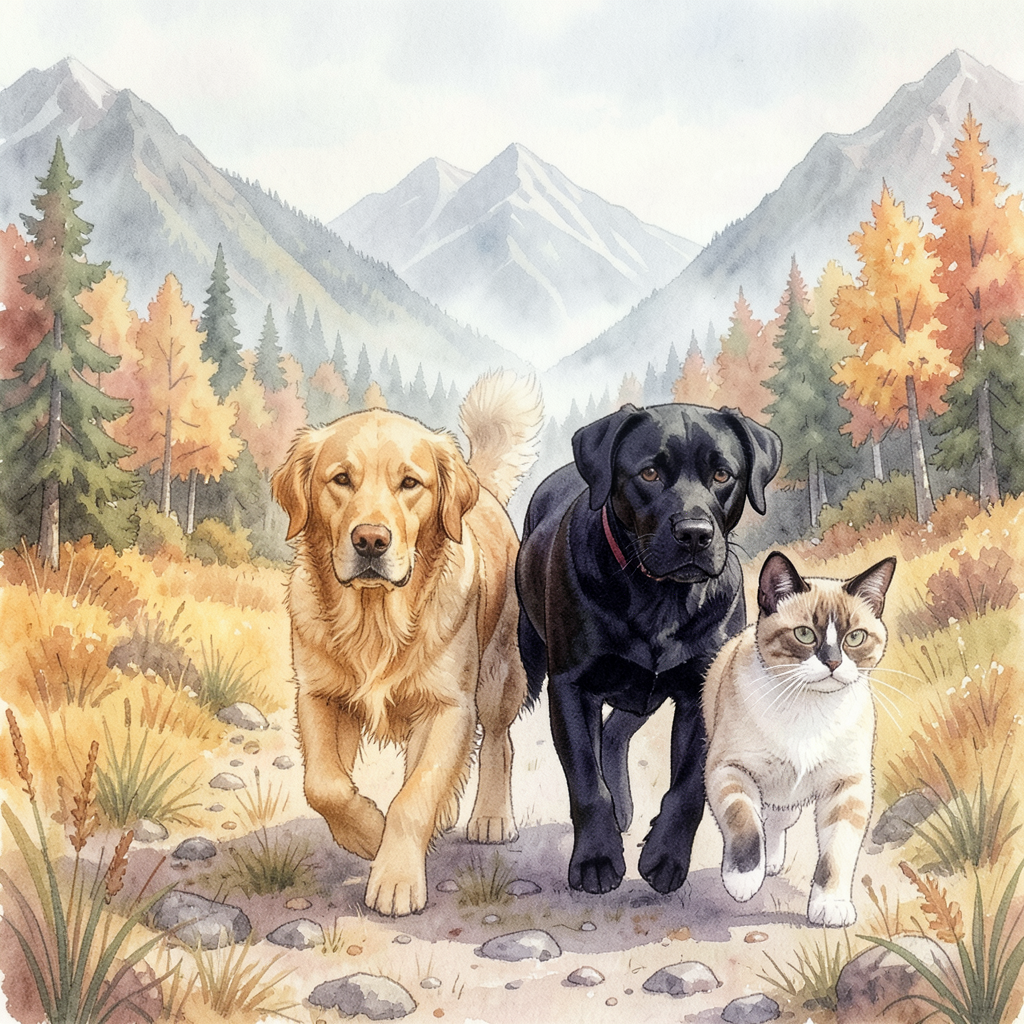
The Incredible Journey
About This Book
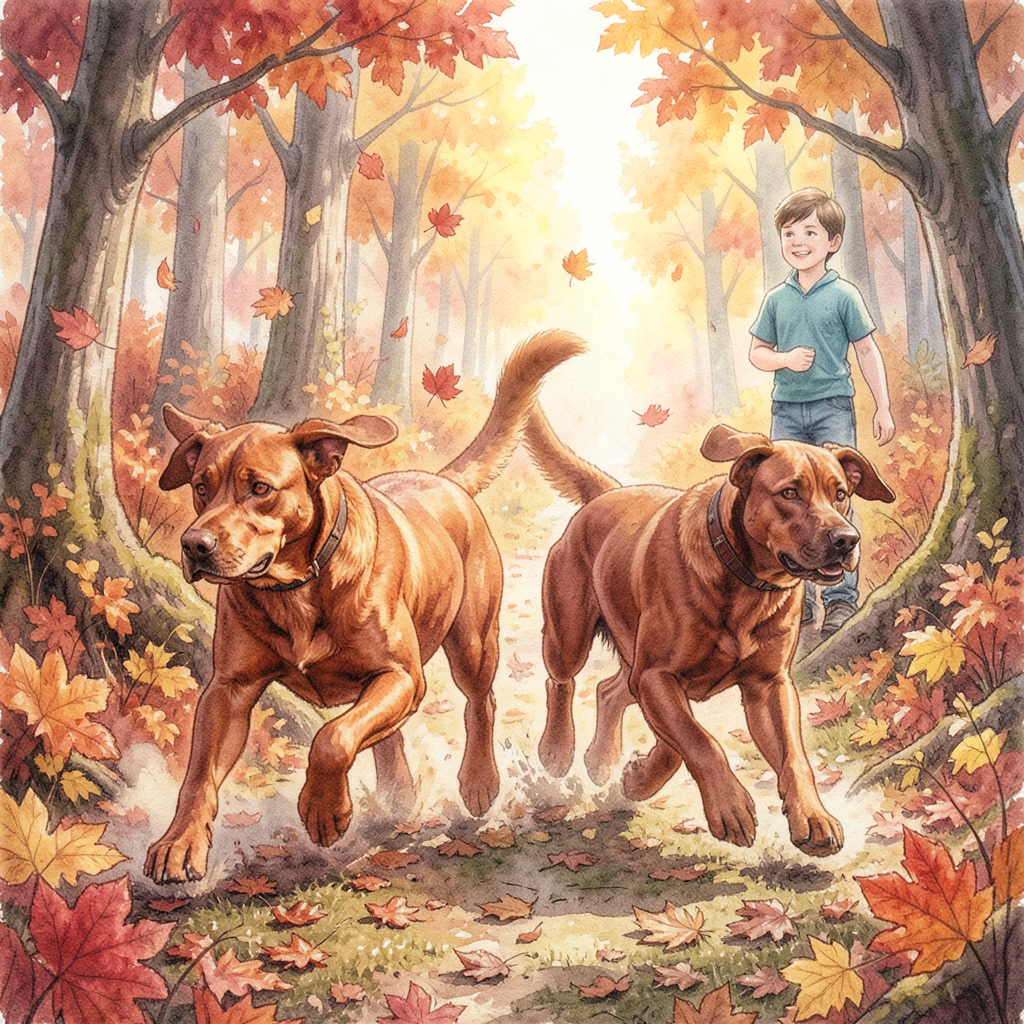
Two dogs and a cat — an old bull terrier, a young Labrador, and a Siamese cat — travel 300 miles across the Canadian wilderness to find their way home. Facing hunger, injury, bears, and rushing rivers, their instinctive bond and determination drive them forward.
Themes
LoyaltyPerseveranceNature
Best For
- Animal lovers ages 8-12 who are ready for a longer chapter book with genuine suspense
- Children who enjoy nature and wilderness settings and want vivid, immersive descriptions of the outdoors
- Families looking for a read-aloud that works for multiple ages — the story engages younger siblings while the prose rewards older readers
- Kids transitioning from early chapter books to more literary middle-grade fiction
- Classroom or book club settings exploring themes of loyalty, perseverance, and teamwork
Why Parents Love This Book
Sheila Burnford's 1961 classic endures because it does something rare: it tells a gripping survival story entirely through the eyes of animals, without ever reducing them to human caricatures. The three companions — Bodger the aging bull terrier, Luath the energetic young Labrador, and Tao the proud Siamese cat — each have distinct personalities that feel authentic rather than anthropomorphized. Their 300-mile trek through the Canadian wilderness is genuinely suspenseful, with encounters involving bears, raging rivers, and near-starvation that keep pages turning. What elevates the book beyond adventure is the quiet depth of the animals' bond. They protect one another across species lines, which speaks to children about loyalty in ways no lecture could. Burnford's prose is spare and beautiful, with vivid descriptions of the boreal forest that make the setting feel like a character in its own right. Decades after publication, this story still resonates because the longing to find home — and the willingness to endure hardship to get there — is universally understood.
Reading Tips for Parents
Before starting, show your child a map of the Canadian Shield so the scope of 300 miles across wilderness feels real and awe-inspiring. The book works well read aloud in chapters, pausing at each new obstacle to ask what the animals might do next. Because the three animals have different strengths — the old terrier's stubbornness, the Labrador's energy, the cat's self-sufficiency — you can discuss how each contributes to the group's survival. Some scenes, including a bear confrontation and moments of near-starvation, are tense; preview chapter endings if your child is sensitive. The 1963 Disney film adaptation offers a good companion but changes details, so watching it after reading sparks useful compare-and-contrast conversations about how stories shift across formats.
Awards & Recognition
- Winner of the Canadian Library Association Book of the Year for Children, 1963
- Adapted into a successful Disney theatrical film (1963), indicating wide recognition at time of publication
Educational Value
This book helps children develop skills across multiple areas:
- Vocabulary: Burnford's prose introduces nature and survival terminology — words like boreal, instinct, tenacious, and terrain — in context that makes meanings clear without interrupting the story.
- Social-emotional: The cross-species friendship models loyalty, mutual support, and perseverance under adversity, helping children think about what it means to stick by someone when things are hard.
- Geography: The Canadian wilderness setting builds awareness of North American boreal ecosystems, indigenous landscapes, and the physical challenges of remote terrain.
- Science/Nature: Animal behavior throughout the novel is largely accurate, offering natural entry points for discussions about how dogs and cats navigate, communicate, and survive.
- Reading comprehension: The episodic chapter structure — each section presenting a new obstacle — builds skills in identifying conflict, cause and effect, and narrative arc.
Discussion Questions
Use these questions to spark conversation before, during, or after reading:
- Why do you think Bodger, Luath, and Tao decide to travel home instead of staying where they are? What do you think drives them?
- Each animal has different strengths that help the group survive. Can you name one thing each animal contributes? Which strength do you think matters most?
- There are moments when the animals are close to giving up. What keeps them going? Have you ever had to push through something really hard to reach a goal?
- The Canadian wilderness is beautiful but also dangerous. How does Burnford make you feel both things at once? Find a passage where the setting felt exciting and another where it felt threatening.
- If you were writing a sequel, where would the animals go next — and what new challenge would they face?
Content Notes for Parents
Several scenes depict the animals facing genuine danger — including a confrontation with a bear, injuries, exhaustion, and extended periods without food — that may be intense for sensitive readers around age 8. There are no human violence, death of main characters, or inappropriate content, but the survival hardship is portrayed honestly rather than softened.
Frequently Asked Questions
What age is this book really right for?
The recommended range of 8-12 is accurate, with 9-11 being the sweet spot for independent reading. Confident readers at 8 can handle it, especially with a parent reading alongside. Younger children who love being read to can enjoy it as a family read-aloud from around age 6, since the story's core tension is easy to follow even if some vocabulary is advanced.
Is this book too scary or sad for sensitive kids?
It depends on your child. The animals face real peril — hunger, injury, and a frightening bear encounter — and these scenes are written without sugarcoating. No main characters die, and the ending is joyful, but the middle sections can be stressful for highly sensitive readers. Previewing chapters before your child reads alone can help you decide whether to read together or give a heads-up about tough scenes.
How does this compare to the 1993 Disney film Homeward Bound?
Homeward Bound: The Incredible Journey is a loose adaptation that gives the animals human voices and comedic personalities, making it funnier and lighter than the book. The original 1961 novel is quieter and more literary — the animals never speak, and the tension comes from observed behavior rather than dialogue. Both are worth experiencing, but they are very different in tone. Reading the book first preserves the suspense better.
Is this a good book club pick for a classroom?
Yes — it works very well in a classroom setting for grades 3-6. Each chapter presents a self-contained obstacle that generates strong discussion. The themes of loyalty and perseverance connect easily to character education conversations, and the Canadian wilderness setting supports geography and science integration. The book is short enough to finish in two to three weeks of assigned reading.
Are there similar books my child might enjoy after this one?
Children who love this book often gravitate toward other wilderness survival and animal adventure classics. Good next reads include My Side of the Mountain by Jean Craighead George, Where the Red Fern Grows by Wilson Rawls, Call of the Wild by Jack London (better for ages 11+), and Hatchet by Gary Paulsen. All share the themes of survival, nature, and determination that make The Incredible Journey so compelling.