Where the Red Fern Grows
About This Book
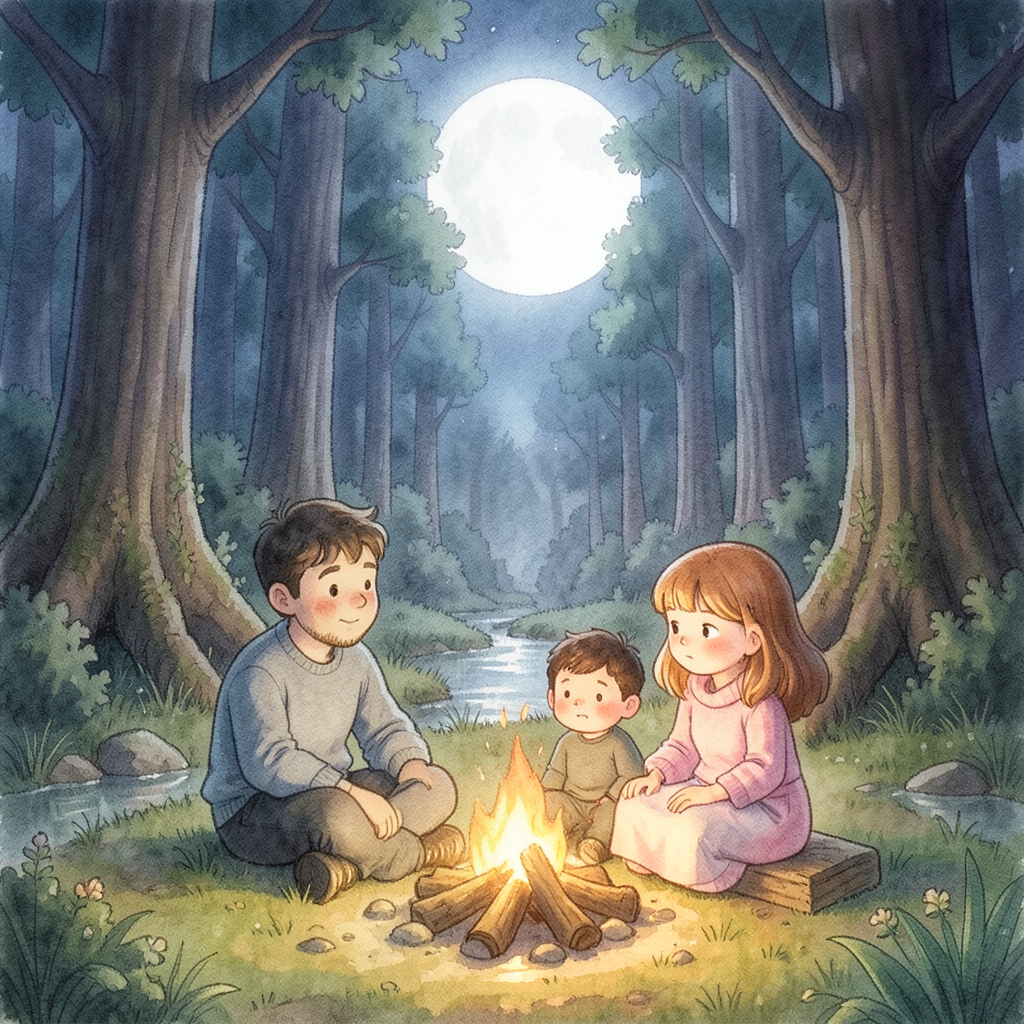
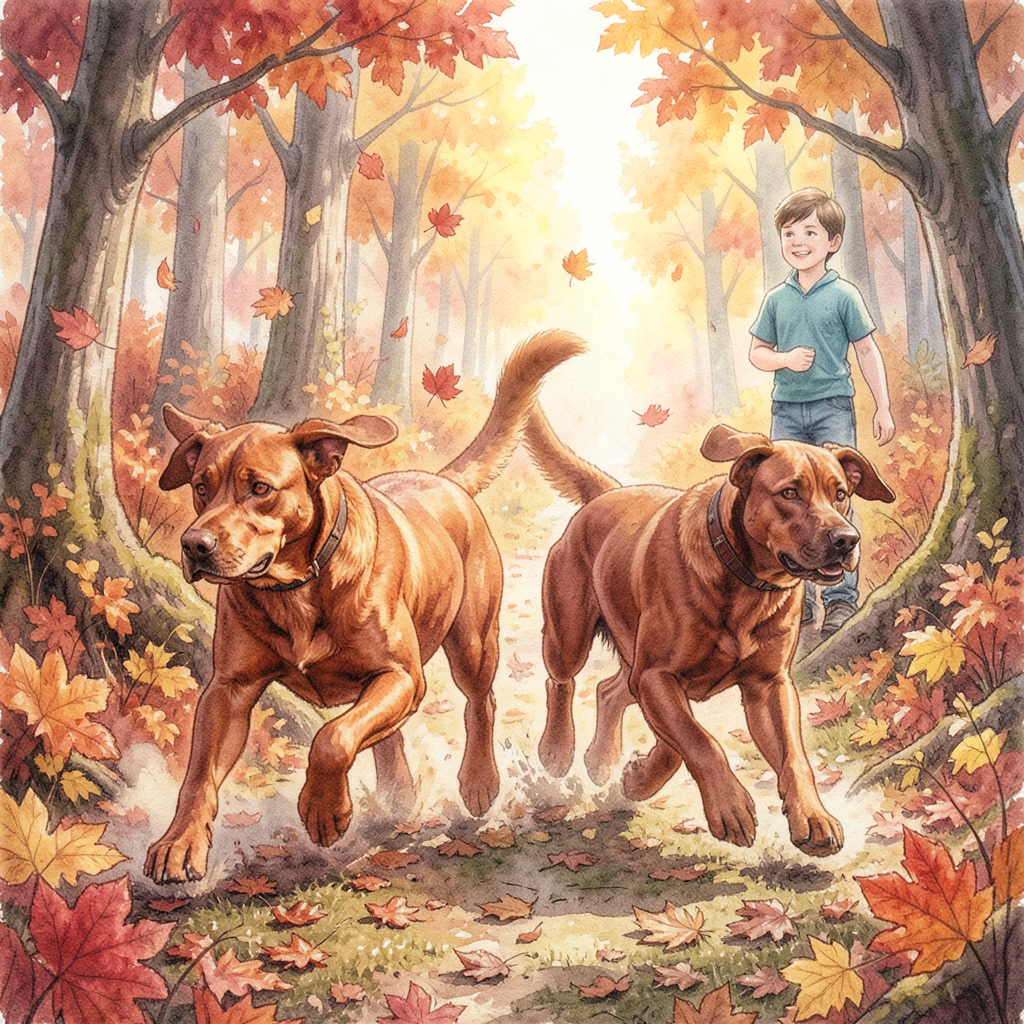
In the Ozark Mountains, young Billy saves for two years to buy two coonhound puppies, Old Dan and Little Ann. He trains them into the finest hunting team in the region, winning competitions and learning the deep bond between a boy and his dogs in this classic tale of devotion.
Themes
DeterminationLoveNature
Best For
- Children who love animals, especially dogs, and want a story that takes that bond seriously
- Readers ready to move from lighter chapter books to emotionally substantial middle-grade fiction
- Family read-alouds where parents want a shared emotional experience and follow-up conversation
- Children studying the Great Depression, rural American history, or Appalachian and Ozark culture
- Young readers who need proof that crying over a book is a sign it did its job
Why Parents Love This Book
Where the Red Fern Grows endures because it earns every emotion it asks of its readers. Wilson Rawls drew on his own boyhood in the Ozarks to tell the story of Billy Colman, a boy so determined to own hunting dogs that he spends two years saving pennies and dimes, hiding them in a tin can, until he can finally order Old Dan and Little Ann by mail. What follows is not just a hunting story but a portrait of devotion — between a child and his animals, between a family and their land, and between hard work and its rewards. The Ozark Mountain setting feels lived-in and real, giving the story a texture that polished, contemporary fiction often lacks. Old Dan's courage and Little Ann's intelligence make them as vivid as any human character in children's literature. The novel teaches young readers that love is inseparable from loss, and that the things we work hardest for leave the deepest marks on us. Decades after its first publication, it remains one of the most powerful books a child can read.
Reading Tips for Parents
This is a book best read aloud or alongside your child, especially the final chapters. Be honest with children ahead of time that the story deals with loss — trying to protect them from the ending often makes the emotional landing harder, not easier. The hunting scenes are detailed and authentic; they reflect the rural culture of 1930s Oklahoma and can spark rich conversations about subsistence living versus modern attitudes toward wildlife. Billy's two-year savings effort is one of the most effective depictions of delayed gratification in children's literature, making it a natural anchor for conversations about setting goals. For children who struggle with reading stamina, the short chapters and forward-driving plot help. Plan for a quieter evening after finishing — many children, and parents, need it.
Awards & Recognition
- Young Reader's Choice Award winner (1963)
- Consistently included on School Library Journal and American Library Association lists of best children's novels
- Perennial bestseller since its 1961 publication, with tens of millions of copies sold worldwide
Educational Value
This book helps children develop skills across multiple areas:
- Vocabulary: Rich, region-specific language — words like coonhound, brindle, and Ozark dialect — builds a wide reading vocabulary and introduces children to American regional English.
- Social-emotional: Billy's grief and resilience model healthy emotional responses to loss, giving children a framework for processing their own experiences with death and change.
- History and culture: The 1930s rural Oklahoma setting illustrates Depression-era poverty, subsistence hunting, and Appalachian/Ozark mountain life in concrete, story-driven terms.
- Character and ethics: Billy's two-year savings plan and his refusal to give up demonstrate goal-setting, delayed gratification, and integrity — qualities discussed explicitly within the narrative.
- Nature and ecology: The novel introduces children to the behavior of raccoons, the training of hunting dogs, and the rhythms of wilderness survival in a way that no wildlife documentary can replicate.
Discussion Questions
Use these questions to spark conversation before, during, or after reading:
- Billy saves money for two years without giving up. Have you ever worked really hard for something you wanted? What kept you going when it felt difficult?
- Old Dan and Little Ann have very different personalities — Old Dan is brave and stubborn, while Little Ann is clever and careful. Which dog do you think you are more like, and why?
- Billy's family is poor, but he never describes himself as unhappy. What does the story suggest makes a life feel full and good?
- The Ozark Mountains are almost like a character in the book. How does the setting — the woods, the river, the cold nights — shape the kind of person Billy becomes?
- The red fern at the end of the novel is described as a sacred sign. Why do you think the author chose that image to end the story? What do you think it means?
Content Notes for Parents
The novel contains the deaths of both dogs, which are portrayed with emotional directness and have made generations of readers cry; parents should prepare children in advance rather than let it arrive as a shock. There are also scenes of animal predator attacks and a human death that, while not graphic, are significant enough to discuss with sensitive readers.
Frequently Asked Questions
What age is this book really appropriate for?
Most children are ready for Where the Red Fern Grows around ages 9 to 12, though advanced readers of 8 can handle the prose. The emotional content — particularly the deaths at the end — is the main consideration, not reading difficulty. A child who has not yet experienced loss may need more parental support during and after the final chapters.
My child is sensitive to animal deaths in stories. Should I still read this book?
This is one of the most famous animal-death stories in children's literature, so sensitive children and their parents should go in knowing that both dogs die. That said, many sensitive children find the ending cathartic rather than traumatic, especially when a parent is present to talk through it. Reading it together, rather than independently, is the best approach for a child prone to distress.
Is the hunting content a problem for families who don't hunt or who oppose hunting?
The hunting in the novel is integral to the story and is portrayed as a normal, honorable part of Billy's rural culture. Most families — regardless of their own views on hunting — find the book works as a story about determination and love rather than as a hunting endorsement. It can actually open good conversations about how attitudes toward animals and wildlife vary across cultures and time periods.
What books should we read next if our child loved this one?
Children who responded to the dog bond and rural setting often love Shiloh by Phyllis Reynolds Naylor, Old Yeller by Fred Gipson, or My Side of the Mountain by Jean Craighead George. For something with a similar emotional weight but a different setting, Charlotte's Web remains a natural companion read.
Is there a film version? How does it compare?
There have been two film adaptations: a 1974 version and a 2003 remake. Neither captures the emotional depth of the novel, which is typical for books that work primarily through a first-person interior voice. The book is the definitive version and should be read before, not after, viewing any film.