The Missing Bowl: A Story from the Life of Guru Nanak
About This Book
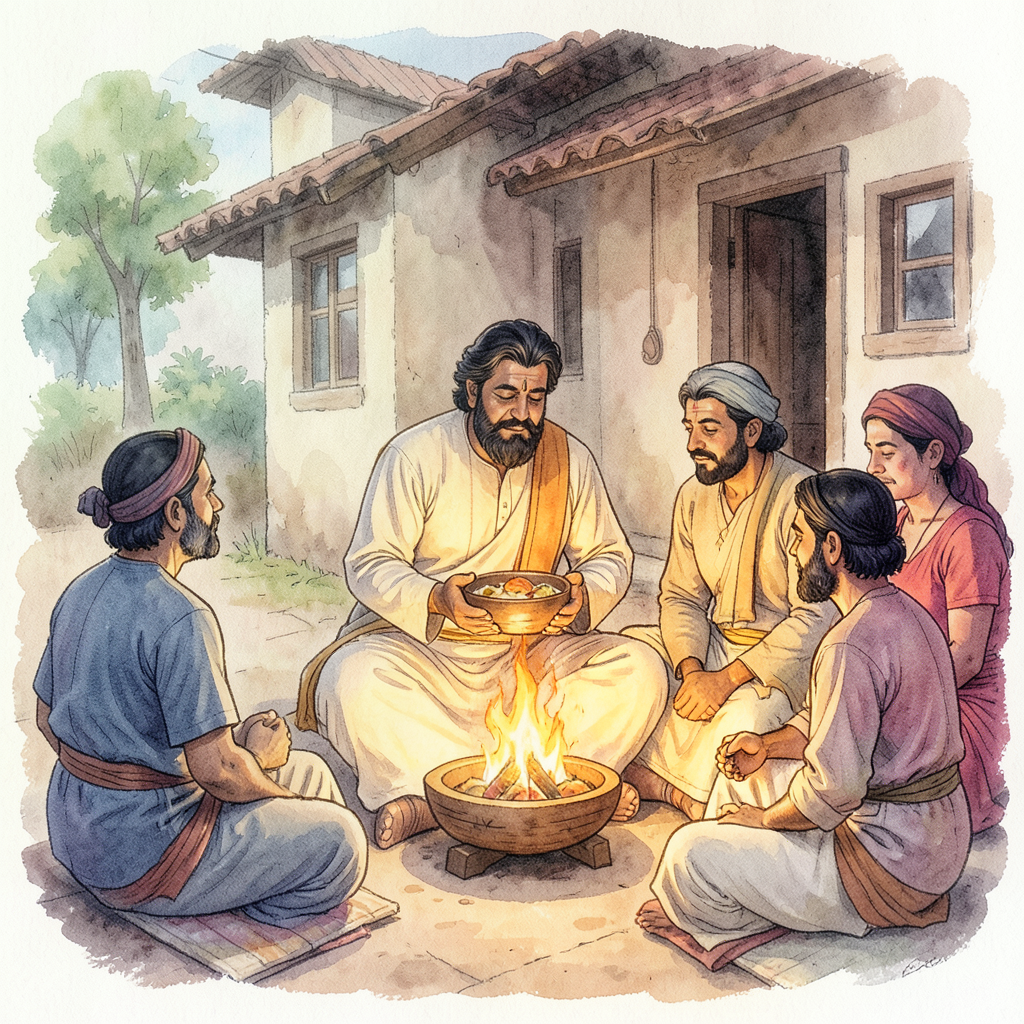
When Guru Nanak arrives in a village and accepts hospitality from Kaljug Pandit, a golden bowl mysteriously goes missing. What follows is a lesson not about the bowl but about the nature of honesty, pretence, and the difference between performing goodness and living it. A beautifully illustrated story from the travels of Guru Nanak Dev Ji.
Themes
HonestySikh StoriesKindness
Best For
- Children ages 4-7 exploring concepts of honesty and fairness
- Families seeking Sikh-themed picture books rooted in the life of Guru Nanak Dev Ji
- Classroom or home read-alouds where a discussion about real vs. performed kindness is the goal
- Children who enjoy mystery setups with a surprising, thoughtful resolution
- Interfaith or multicultural reading lists that include South Asian spiritual traditions
Why Parents Love This Book
The Missing Bowl takes one of those quietly powerful moments from the travels of Guru Nanak Dev Ji and unpacks it in a way that young children can genuinely feel, not just follow. The story hinges on a deceptively simple mystery — a golden bowl vanishes — but the resolution steers children away from whodunit thinking entirely and toward something richer: what does it really mean to be good? Guru Nanak's response to the situation does not focus on punishment or detection but on exposing the gap between performing goodness for others to see and actually living it. For ages four to seven, that distinction is profound and absolutely age-appropriate, because children this age are already navigating fairness, show-off behavior, and the gap between what people say and what they do. The story draws on the Sikh tradition of Guru Nanak's journeys, called the Udasis, giving it an authentic rooting in history and faith while remaining fully accessible to readers of all backgrounds. It is a book that stays with both parent and child long after the final page.
Reading Tips for Parents
Before reading, you do not need to explain who Guru Nanak is — the story introduces him naturally. During the read-aloud, slow down at the moment the bowl goes missing and let your child speculate about what happened. Resist the urge to redirect; their guesses reveal how they think about fairness and blame. The payoff comes when Guru Nanak shifts the conversation away from the missing object entirely — pause there and ask what your child noticed. After reading, connect the theme to real life: have they ever done something kind mainly because someone was watching? Keep that conversation light and curious rather than corrective. This book works especially well as a bedtime read because the quiet resolution invites calm reflection rather than excitement. For children curious about Sikhi, a simple explanation of the word "Udasi" (journey or travels) adds meaningful context without overwhelming the story.
Awards & Recognition
- No major awards listed at time of publication (2025)
- Published by Maastarji, an independent publisher focused on Sikh children's literature
Educational Value
This book helps children develop skills across multiple areas:
- Social-emotional: Helps children distinguish between genuine kindness and performed goodness — a nuanced but age-accessible concept.
- Vocabulary: Introduces words like honesty, pretence, hospitality, and the concept of a pandit (a learned or respected person in South Asian traditions).
- Critical thinking: The missing bowl mystery encourages children to question surface appearances and think about hidden motivations.
- Cultural literacy: Grounds children in the Sikh tradition of Guru Nanak's Udasis, building awareness of South Asian spiritual history.
- Character development: Models how a wise figure responds to dishonesty — not with anger or accusation but with calm revelation of deeper truth.
- Comprehension: The story's layered meaning rewards re-reading, building inferencing skills as children pick up on details they missed the first time.
Discussion Questions
Use these questions to spark conversation before, during, or after reading:
- Why do you think the golden bowl went missing? What happened to it?
- Guru Nanak did not seem very worried about finding the bowl. Why do you think that was?
- What is the difference between doing something kind because you want to, and doing it so people will notice?
- Have you ever done something good when nobody was watching? How did that feel?
- If Guru Nanak came to your home, what do you think he would notice about you?
Content Notes for Parents
There are no frightening, violent, or mature elements in this book. The story involves mild tension around accusations and dishonesty, which resolves gently and constructively — well within the comfort range for ages four and up.
Frequently Asked Questions
What age is this book best suited for?
The publisher targets ages 4 to 7, and that range feels right. Younger children in this range will enjoy the story's gentle mystery and illustrations. Children closer to 7 will start to grasp the more nuanced theme about the difference between performing goodness and genuinely living it, making re-reads especially rewarding as they grow.
Do we need to be Sikh to connect with this book?
Not at all. While the story is grounded in the Sikh tradition and features Guru Nanak Dev Ji as a central figure, the themes of honesty, pretence, and authentic kindness are universal. Families of any background will find the story relatable and the moral genuinely useful for everyday conversations with young children.
Is there anything in the story that might upset sensitive children?
The book involves a missing object and the implied possibility that someone was not honest — situations most children have already encountered in daily life. The tone stays calm throughout, and there is no confrontation, punishment, or scary imagery. Very sensitive children may need brief reassurance that things work out, which they do, gently.
How can I use this book to talk about Sikhi with my child?
The story naturally opens a door to explaining that Guru Nanak Dev Ji traveled widely to teach about kindness, equality, and honest living — these journeys are called the Udasis. You can share that Guru Nanak is the founder of the Sikh faith and that stories from his travels are an important part of Sikh tradition. Keep it brief and follow your child's curiosity rather than offering a full lesson upfront.
Are there similar books you would recommend alongside this one?
Families who enjoy this book tend to gravitate toward other picture books from the Maastarji series, which draws on Sikh stories and values. More broadly, books that explore the lives of historical wisdom figures in story form — rather than biography format — make good companions. Look for picture books that use a single episode to illuminate a larger moral truth, as this one does so well.