The Tale of Despereaux
About This Book
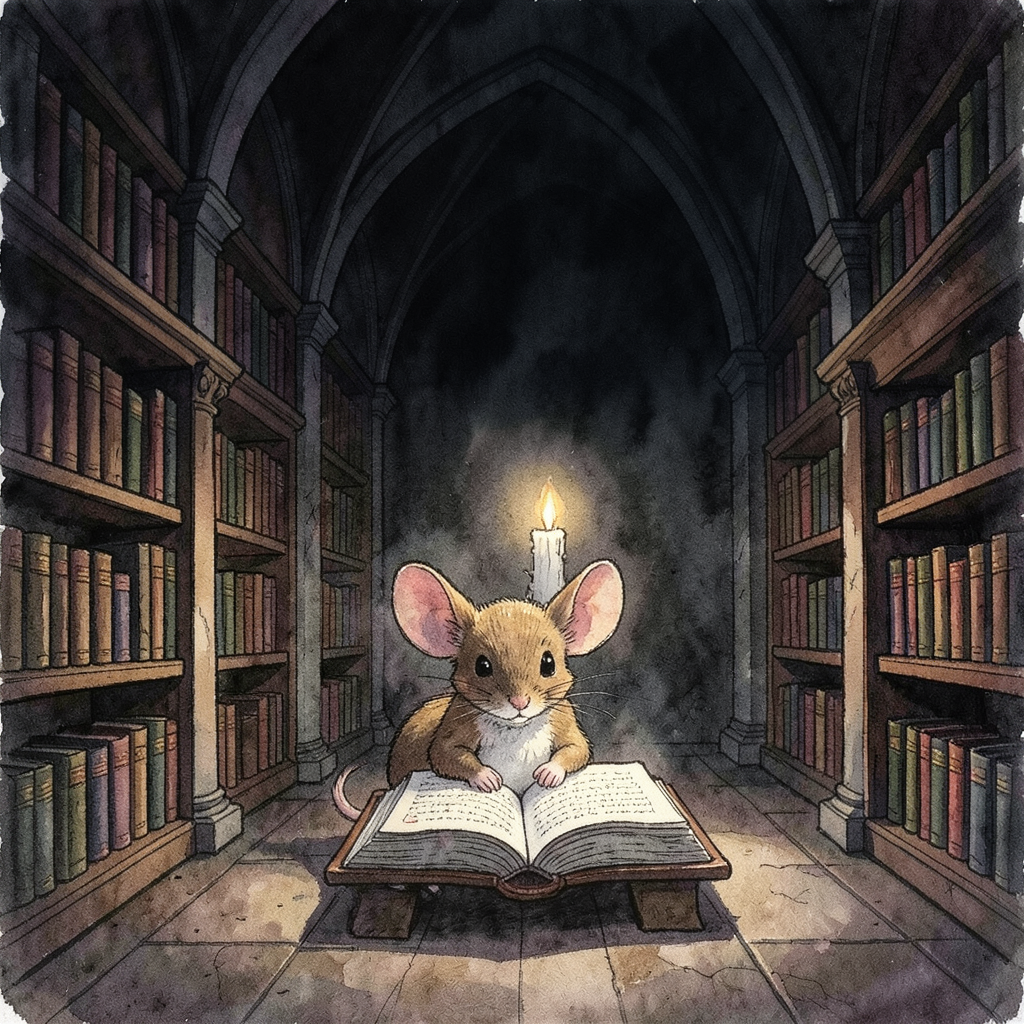
Despereaux is a tiny mouse with enormous ears who falls in love with a human princess named Pea. Banished to the dungeon for his unconventional behavior, his story intertwines with a rat named Roscuro and a servant girl named Miggery Sow in a tale about the power of love, forgiveness, and soup.
Themes
CourageLoveForgiveness
Best For
- Children who feel different or don't fit in and need a protagonist who turns that into a strength
- Families reading aloud together who want a story with multiple characters to discuss and compare
- Confident independent readers ages 8-10 ready to move into longer chapter books with emotional complexity
- Classroom read-alouds in grades 3-5 exploring themes of empathy, forgiveness, and narrative structure
- Children who loved Charlotte's Web or Stuart Little and are ready for a darker, more layered animal story
Why Parents Love This Book
The Tale of Despereaux endures because Kate DiCamillo dares to write a story that trusts children with real sadness and real hope. Despereaux is not a conventional hero — he is small, strange, bookish, and hopelessly romantic. He reads fairy tales and believes in them. That earnestness, rather than physical strength or cleverness, is what ultimately saves the day. DiCamillo weaves together four distinct narratives — a mouse, a rat, a servant girl, and a princess — and shows how each character's wound shapes their choices. Roscuro the rat is not purely villainous; Miggery Sow is not purely foolish. The book refuses easy moral categories while still affirming that love and forgiveness are stronger than cruelty. Timothy Basil Ering's scratchy, atmospheric illustrations deepen the dungeon's darkness and Despereaux's fragile determination. For children who have ever felt too small or too different, Despereaux is a mirror. For every reader, it is an argument that stories themselves have the power to save us.
Reading Tips for Parents
This book rewards reading aloud together. DiCamillo addresses the reader directly throughout — "Dear reader, pay attention" — which invites conversation about the act of storytelling itself. Pause at those moments and ask your child what they think will happen next. The four interweaving storylines can feel complex on first encounter, so a simple character map (mouse, rat, servant girl, princess) drawn on paper helps younger readers track who is who. Chapter lengths vary widely, so this works well for flexible bedtime reading. Be prepared to discuss Miggery Sow's backstory: she was sold by her father, and that detail lands hard for many children. Treat it as an opening to talk about how childhood circumstances shape people without excusing harmful choices. The ending offers forgiveness rather than punishment, which is worth discussing explicitly.
Awards & Recognition
- Newbery Medal, 2004 (American Library Association)
- New York Times Bestseller
Educational Value
This book helps children develop skills across multiple areas:
- Vocabulary: Introduces elevated and archaic language — 'perfidy,' 'threadlike,' 'admonish' — in context, building reading comprehension through meaning embedded in story rather than definition lists.
- Social-emotional learning: Models complex empathy by asking readers to understand characters who are wounded, flawed, or morally compromised — Roscuro and Miggery Sow are not simply villains.
- Narrative craft: DiCamillo's direct address to the reader makes narrative structure visible, helping children understand that stories are constructed choices, a foundational concept for writing development.
- Moral reasoning: The book distinguishes between understanding why someone causes harm and excusing that harm, giving children language and a framework for nuanced ethical thinking.
- Literary themes: Courage, love, and forgiveness are each dramatized rather than stated, making them concrete and discussable rather than abstract.
- Reading stamina: Four interlocking storylines held across 270 pages build the sustained attention and inference skills needed for longer middle-grade fiction.
Discussion Questions
Use these questions to spark conversation before, during, or after reading:
- Why do you think Despereaux falls in love with Princess Pea after hearing just one piece of music? What does that tell us about him?
- Roscuro the rat starts out wanting something beautiful and ends up doing something cruel. How do you think that happened? Have you ever wanted something so badly that you made a bad choice?
- Miggery Sow makes choices that hurt others, but she was also hurt herself. Does understanding why someone does something wrong change how you feel about them?
- Despereaux is banished because he is different from other mice. Have you ever felt like you didn't fit the rules everyone else was following? What did you do?
- The book says that forgiveness is a gift you give yourself as much as the other person. What do you think that means?
Content Notes for Parents
Miggery Sow's backstory includes being sold by her father and subjected to physical abuse, described briefly but with emotional weight — sensitive children may need support processing this. The dungeon scenes and Roscuro's cruelty have a dark, gothic tone that is age-appropriate for the 8-12 range but may unsettle younger or more anxious readers.
Frequently Asked Questions
What age is The Tale of Despereaux actually right for?
The publisher targets ages 8-12, and that range is accurate. Strong readers aged 7 can handle the vocabulary with adult support. The emotional themes — particularly Miggery Sow's abuse and the moral complexity of Roscuro — are better suited to children who are at least 8 and can sit with ambiguity. It works beautifully as a family read-aloud starting around age 6-7 with a parent present to contextualize the harder moments.
Is there anything scary or upsetting in this book?
Yes, in modest but real ways. Miggery Sow was sold by her father and physically mistreated, which is described plainly. The dungeon scenes are dark and somewhat gothic. A character dies early in the book, and that death sets other characters on destructive paths. None of this rises to the level of horror, but the book does not soften reality the way lighter chapter books do.
My child saw the animated movie. Is the book very different?
The 2008 film follows the broad story but softens much of the darkness and simplifies the characters significantly. The book's Roscuro is more genuinely tragic and morally complex than the film's version. DiCamillo's direct narrative voice — addressing the reader throughout — is entirely absent from the film. Most children who loved the movie find the book richer and more satisfying, though the tonal difference can be a slight adjustment.
Is this a good book for a reluctant reader?
It depends on the child. The short chapters and DiCamillo's conversational narrator make it accessible, and children who connect with Despereaux's outsider status often find it hard to put down. However, the four-strand structure and elevated vocabulary can feel like work for a child who is already resistant. For reluctant readers, starting with an oral reading of the first two chapters together often helps them over the initial threshold.
Are there similar books you would recommend after this one?
For more Kate DiCamillo, The Miraculous Journey of Edward Tulane covers similar emotional ground with even more intensity. Stuart Little and Charlotte's Web are natural predecessors with a lighter touch. The One and Only Ivan by Katherine Applegate shares the animal-perspective and emotional depth. For children ready for more complexity, The Phantom Tollbooth or A Wrinkle in Time are strong next steps.