Tuck Everlasting
About This Book
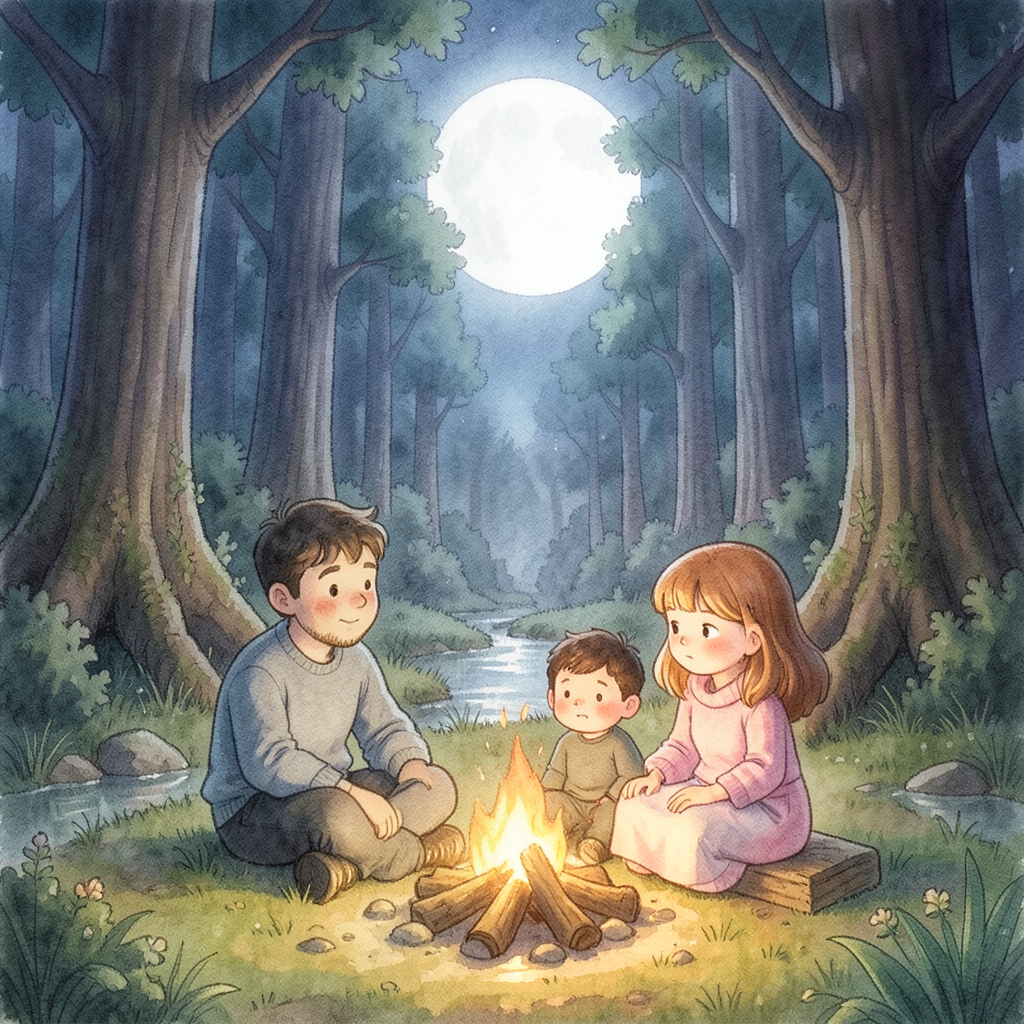
Ten-year-old Winnie Foster discovers the Tuck family's extraordinary secret — they drank from a spring that made them immortal. As Winnie grows close to the Tucks and learns the burden of living forever, she must choose between eternal life and the natural cycle of growing up.
Themes
MortalityChoiceNature
Best For
- Children ages 10-12 reading independently who are ready for a slower, more reflective narrative
- Family read-alouds where parents want a book that sparks genuine philosophical conversation
- Classroom use in grades 4-6 as an introduction to literary symbolism and ethical debate
- Children who have experienced loss and are ready to explore mortality through story in a gentle, safe way
- Readers who loved Charlotte's Web and are ready for a longer, more complex exploration of similar themes
Why Parents Love This Book
Published in 1975, Tuck Everlasting has earned its place as one of the most quietly profound novels in children's literature — not because it offers easy answers, but because it refuses to. Natalie Babbitt gives young readers something rare: a philosophical question wrapped in a genuine adventure. Ten-year-old Winnie Foster stumbles into an impossible secret, and in doing so must grapple with what it truly means to be alive. The Tuck family is drawn with warmth and specificity — each member bearing the weight of immortality differently, from Mae's stoic acceptance to Jesse's reckless joy to Angus Tuck's deep, aching sorrow. Babbitt's prose is luminous and unhurried, trusting children to sit with complexity. The wheel-of-life metaphor woven through the book rewards rereading at every age. Most remarkably, the ending respects the reader: Winnie makes her choice, and Babbitt lets it stand without sentimentality. This is a book that children carry into adulthood.
Reading Tips for Parents
Because Winnie is ten and the story moves slowly and lyrically, this novel works beautifully as a read-aloud for ages 8-10, even if your child is not yet reading at that level independently. Pause at natural chapter breaks to ask what your child thinks the Tucks should do — the story invites debate. Older readers (10-12) may want to read it solo and then talk. The central question — would you want to live forever? — is genuinely rich dinner-table territory. Some children will need reassurance that the themes of death are handled gently and philosophically rather than frightfully. If your child has recently experienced a loss, this book can be a meaningful but emotionally demanding choice; read it together and follow their lead. The short chapters (around 25 total) make this ideal for a two-week reading schedule.
Awards & Recognition
- Finalist, National Book Award for Children's Books (1976)
- Ranked among the American Library Association's Most Frequently Challenged Books, reflecting its cultural impact and widespread classroom use
- ALA Notable Children's Book
Educational Value
This book helps children develop skills across multiple areas:
- Vocabulary: Introduces sophisticated, evocative language — words like 'melancholy,' 'constable,' 'gallows' — in context, building literary vocabulary naturally.
- Philosophy and ethics: Asks children to reason through a genuine moral dilemma — the value of finite life versus the burden of immortality — with no single right answer.
- Social-emotional learning: Explores grief, acceptance, and the natural cycle of life in a way that builds emotional vocabulary around mortality without being frightening.
- Literary analysis: Rich use of symbolism (the wheel, the toad, the spring, the wood) gives older readers ample material for close reading and interpretation.
- Nature and ecology: Babbitt grounds the story in the rhythms of the natural world, encouraging children to notice cycles in their own environment.
- Historical and cultural context: Set in the late 1880s, the story introduces period details around rural life, law enforcement, and family structures that support social studies connections.
Discussion Questions
Use these questions to spark conversation before, during, or after reading:
- If you found the spring in the woods, would you drink from it? Why or why not?
- Why do you think Angus Tuck uses the rowboat and the pond to explain life to Winnie? What does the water represent?
- Jesse wants Winnie to drink the water when she turns seventeen so they can be together forever. Do you think that is a kind offer or a selfish one?
- At the end of the story, Winnie makes a choice. Do you think she made the right decision? What would you have done?
- The man in the yellow suit wants to sell the spring for money. How is his view of immortality different from the Tucks' view?
Content Notes for Parents
A character is killed (struck over the head) and another faces hanging, though neither is depicted graphically; the emotional weight of the story centers on death as a concept rather than violence. The themes of mortality and choosing not to live forever may prompt deep questions from sensitive children, especially those who have experienced loss.
Frequently Asked Questions
What age is Tuck Everlasting really appropriate for?
Most children read it independently between ages 10 and 12, when the philosophical themes land with more weight. However, it works beautifully as a parent-led read-aloud starting around age 8. The reading level is accessible, but the emotional and conceptual depth rewards a slightly older audience.
Is this book scary? My child is sensitive to death-related content.
The book deals centrally with immortality and, by extension, with death as a natural part of life. The tone is more melancholy and philosophical than frightening. There is one act of violence (a character is struck and killed) and a threat of execution, neither depicted graphically. Sensitive children may find the ending quietly sad, so reading together and talking afterward is a good approach.
My child loved Charlotte's Web. Will they like this?
Almost certainly yes. Both books handle mortality with gentleness and literary craft, and both ask children to sit with an ending that is bittersweet rather than happy. Tuck Everlasting is longer and more conceptually complex, making it a natural next step for a child who has outgrown picture books but is ready for something that asks big questions.
Is there a film version, and is it suitable?
There are two adaptations: a 1981 film and a more widely seen 2002 Disney version rated PG. The 2002 film takes some liberties, including aging up the romantic storyline between Winnie and Jesse. Most parents find the book significantly richer than either film, and it is generally better to read the book first.
How long does it take to read, and can it work in a classroom?
At roughly 140 pages with short chapters, most independent middle-grade readers finish it in one to two weeks. It is widely taught in grades 5 and 6 and pairs well with units on literary symbolism, ethical reasoning, or coming-of-age narratives. The discussion questions embedded in its themes make it one of the more teachable novels at this level.