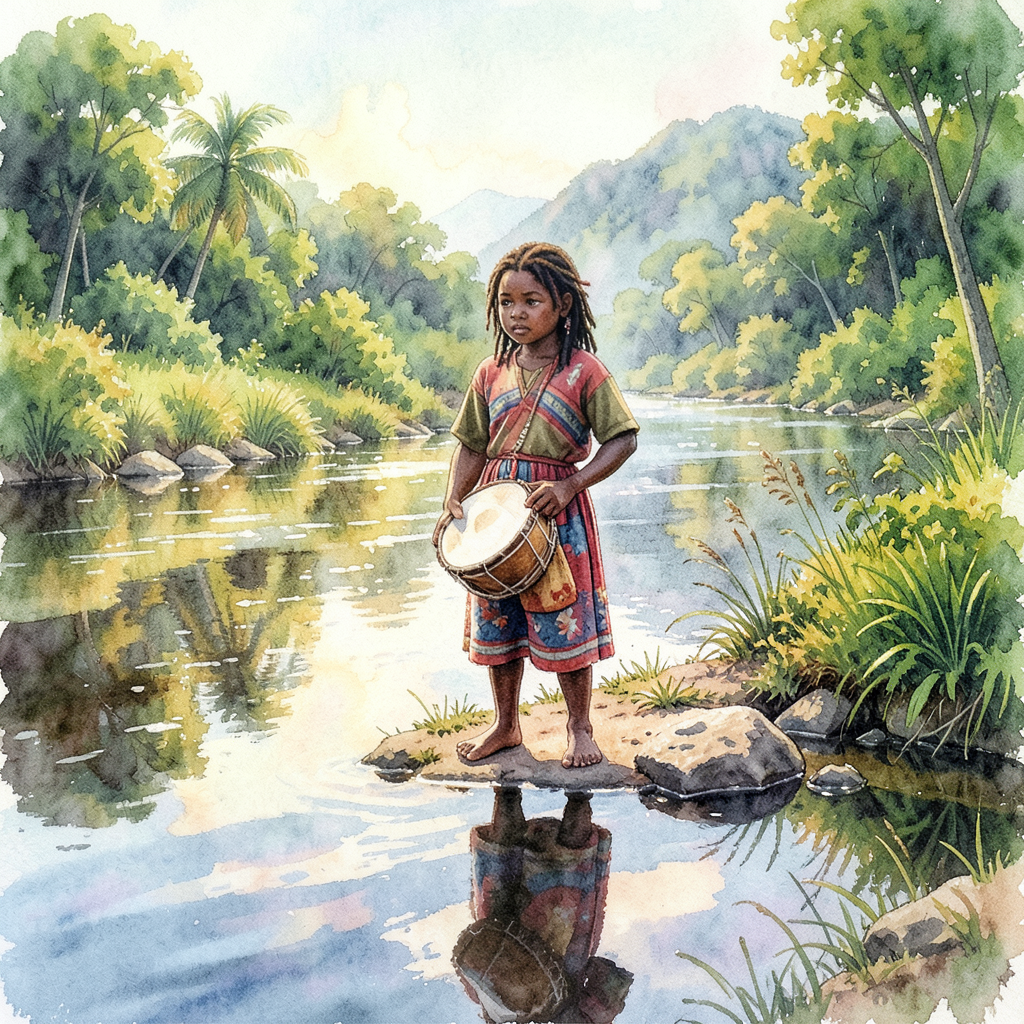
We Are Water Protectors
About This Book
Inspired by Indigenous-led movements across North America, a young Ojibwe girl learns from her grandmother that water is the first medicine and must be protected. When a black snake threatens to destroy the land and poison the water, she takes up the call to defend what sustains all life.
Themes
NatureCultureCourage
Best For
- Introducing environmental stewardship to preschool and early-elementary children
- Classroom or library read-alouds during Earth Day or water conservation units
- Families exploring Indigenous cultures and perspectives through picture books
- Children who feel strongly about nature and animals and are ready to channel that feeling into something larger
- Pairing with a local nature walk or visit to a river, lake, or stream
Why Parents Love This Book
We Are Water Protectors stands apart because it roots environmental activism in something children already understand: love. Carole Lindstrom does not lecture — she tells a story passed from grandmother to granddaughter, one generation teaching the next that water is the first medicine and belongs to everyone. The Ojibwe teaching at the heart of this book gives it a cultural grounding that most environmental picture books lack entirely. Michaela Goade's luminous watercolor illustrations spiral with blues and greens, drawing the eye inward and outward at once, making water itself feel alive and worth defending. The black snake — a reference to oil pipelines threatening Indigenous land and water — is rendered with just enough menace for young readers to feel the stakes without being frightened. What lingers long after the final page is the book's central conviction: that one child, rooted in her heritage and standing in her truth, can lead others. That is a rare and powerful message.
Reading Tips for Parents
Before reading, show your child a glass of water and ask where they think it comes from. This small ritual connects them to the book's opening question and makes the grandmother's teaching land more powerfully. Read slowly through Goade's illustrations — pause on the double spreads and let your child trace the water's movement across the page. The "black snake" imagery is metaphorical; if your child asks what it means, a simple explanation works well: "Some people want to build big pipes through the land, and the girl's community worries it will hurt the water." After reading, ask your child to name one water source they use every day. For families outside Indigenous communities, this is also an ideal moment to acknowledge that your water comes from land that belonged to someone before.
Awards & Recognition
- Caldecott Medal, 2021 (American Library Association)
- New York Times Bestseller
Educational Value
This book helps children develop skills across multiple areas:
- Vocabulary: Introduces words like 'protector,' 'medicine,' and 'sacred' in meaningful context, expanding children's language around nature and culture.
- Social-emotional: Models quiet courage — the protagonist acts not from anger but from love and responsibility, showing children that advocacy can be rooted in care.
- Cultural awareness: Offers an authentic window into Ojibwe values and Indigenous-led environmental movements, broadening children's understanding of diverse worldviews.
- Science: Opens conversations about the water cycle, where drinking water comes from, and how pollution affects ecosystems.
- Civic engagement: Introduces the idea that ordinary people — including children — can participate in protecting shared resources.
- Literature: Goade's spiral visual storytelling is a rich opportunity to discuss how illustrators use shape, color, and movement to carry a book's meaning.
Discussion Questions
Use these questions to spark conversation before, during, or after reading:
- What does the grandmother mean when she says water is the first medicine?
- Why do you think the girl decides to stand up and protect the water even though it might be hard?
- If a black snake came near the water in your neighborhood, what would you do?
- How do the colors in the pictures change when the girl is brave? What do you notice?
- Can you think of something in nature near your home that you would want to protect?
Content Notes for Parents
The black snake is portrayed as a threatening force that poisons the water and darkens the sky, which may prompt questions in sensitive children, but the imagery is metaphorical rather than graphic and the story resolves with hope and collective action. No content concerns for the target age range.
Frequently Asked Questions
What age is this book best for?
The publisher targets ages 4 to 8, and that range holds up well in practice. Younger children (4-5) will connect with the grandmother-granddaughter relationship and the beautiful water imagery. Children 6-8 will begin to grasp the metaphor of the black snake and can have richer conversations about environmental justice and Indigenous rights.
Is the black snake scary for young children?
Most children ages 4 and up handle it well. The snake is depicted in swirling, ink-dark watercolor rather than as a literal serpent, and the tone of the book remains hopeful throughout. Parents of very sensitive children may want to preview the illustration spread where the black snake looms largest, but the story resolves with the community standing together, which reassures rather than frightens.
Do I need to know about Indigenous history to read this book with my child?
No prior knowledge is required — the book works beautifully on its own terms as a story about protecting water and honoring what we love. That said, an author's note and illustrator's note in the back provide helpful context about the Standing Rock movement and Michaela Goade's Tlingit and Haida heritage. Reading those aloud to older children (6+) enriches the experience considerably.
What books pair well with this one?
Fry Bread by Kevin Noble Maillard offers another warm, multigenerational story rooted in Indigenous culture. Braiding Sweetgrass for Young Adults by Robin Wall Kimmerer (adapted edition) works well for readers aging out of picture books who want to go deeper on the relationship between Indigenous knowledge and ecology. For another environmental activism story, The Lorax by Dr. Seuss makes a classic companion.
Can this book be used in a classroom setting?
Yes, and it is widely used that way. It fits naturally into units on water, environmental science, community responsibility, and cultural diversity. The author's and illustrator's notes make it a strong anchor text for brief research projects on Indigenous-led water protection movements. Teachers should be prepared for students to ask thoughtful questions about why pipelines are built and who decides — this book invites exactly that kind of civic thinking.