Wemberly Worried
About This Book
Wemberly worries about everything — big things, small things, and in-between things — but the biggest worry of all is the first day of school. Kevin Henkes gently and truthfully captures the texture of childhood anxiety, giving nervous children a character who understands them completely and a story that ends in genuine relief.
Themes
AnxietySchoolFriendship
Best For
- Children who are anxious about starting preschool, kindergarten, or a new school
- Kids who are natural worriers and benefit from seeing their experience reflected in a character
- Family read-alouds in the weeks leading up to a big transition or change
- Classroom use by teachers to open a discussion about feelings and first-day nerves
Why Parents Love This Book
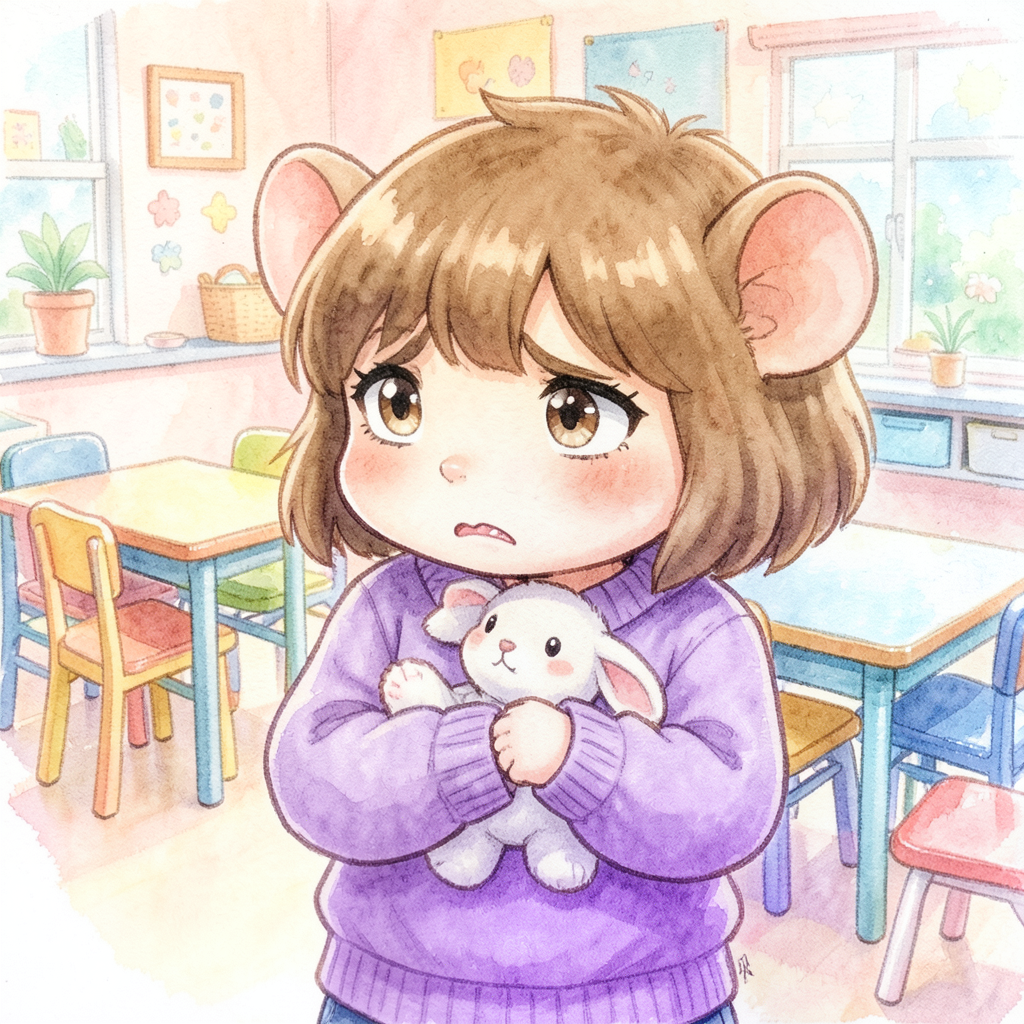
Kevin Henkes does something rare in children's picture books: he takes a child's anxiety seriously without dismissing it or wrapping it up too neatly too fast. Wemberly is a worrier of the highest order — she frets about the radiator hissing, about shrinking in the bathtub, about the new baby at her aunt's house, and above all, about the first day of school. Henkes names her worries with specificity and even a thread of humor, so anxious children feel recognized rather than lectured. The breakthrough moment, when Wemberly meets Jewel — a girl who also clutches a stuffed animal — is earned and believable, not magically instant. The soft, expressive pencil-and-watercolor illustrations carry as much emotional weight as the words, capturing a small mouse's big inner world. Parents will appreciate that the resolution comes through genuine connection rather than a pep talk, making this one of the most honest and useful books about childhood anxiety available.
Reading Tips for Parents
Before reading, ask your child whether they have ever worried about something before it happened — this primes them to connect personally with Wemberly. As you read, pause at each of her specific worries and let your child react; some may be funny, some may resonate deeply. After the story, focus the conversation on the moment Wemberly meets Jewel rather than on how worrying stopped — the takeaway is connection, not the elimination of worry. If your child is approaching a school transition, read this book a week or two before the first day, not just on the night before. You can also use Wemberly's habit of listing worries as a household practice: invite your child to name their worries aloud so they feel less overwhelming and more manageable.
Awards & Recognition
- New York Times Best Illustrated Children's Book (2000)
- School Library Journal Best Book of the Year (2000)
Educational Value
This book helps children develop skills across multiple areas:
- Social-emotional learning: Validates that anxiety is normal and names specific worry patterns, giving children language to identify their own feelings.
- Vocabulary: Introduces descriptive emotional words — worried, nervous, relieved — in meaningful context that helps children build an emotional vocabulary.
- Narrative comprehension: The story has a clear problem-rising action-resolution arc that supports young readers in identifying story structure.
- Friendship and empathy: Models how shared vulnerability — both girls clutching stuffed animals — can be the foundation for genuine connection.
- Self-regulation strategies: Shows a child using a comfort object and relying on a caregiver's reassurance as healthy coping tools during stress.
- Pre-K/K transition readiness: Directly addresses school-entry fears, making it a practical tool for families preparing children for a new classroom setting.
Discussion Questions
Use these questions to spark conversation before, during, or after reading:
- What are some things Wemberly worries about? Which worry do you think feels the biggest to her, and why?
- How does Wemberly feel when she first arrives at school? What does she do to feel a little better?
- When Wemberly meets Jewel, what do they have in common? How does finding a friend change how Wemberly feels?
- Have you ever worried about something before it happened, and then it turned out differently than you expected?
- If Wemberly came to your school on the first day, what is one thing you could do or say to help her feel less worried?
Content Notes for Parents
There are no scary, violent, or mature elements in this book. The anxiety Wemberly feels is portrayed honestly and may resonate strongly with children who are themselves prone to worry, but the story handles these feelings with warmth and reassurance throughout.
Frequently Asked Questions
What age is Wemberly Worried best for?
The book is ideal for children ages 4 to 7. The themes of school anxiety and making friends are most directly relevant to preschool and kindergarten-age children, though early elementary kids who struggle with worry will also find it meaningful.
Is this book too scary or upsetting for sensitive children?
No — there is nothing frightening or upsetting in the traditional sense. That said, very anxious children may feel the early pages of the book intensely because Wemberly's worry is portrayed so honestly. The story resolves warmly, and most sensitive children find it validating rather than distressing.
How should I use this book if my child is starting school soon?
Read it a week or two before the first day so there is time for a relaxed conversation afterward. Avoid saving it for the night before, when a child may already be wound up. You can return to it after the first week to compare how your child's experience matched or differed from Wemberly's.
Does the book suggest that worrying goes away completely?
Not exactly, and that is one of its strengths. The book shows that having a friend makes the hard thing more manageable — it does not promise that worry disappears. This is a healthier and more honest message for children who struggle with anxiety.
Are there other Kevin Henkes books similar to this one?
Yes. Kevin Henkes has a series of mouse-character picture books including Chrysanthemum (about teasing and self-esteem) and Sheila Rae, the Brave (about fear and courage). All share the same warm illustration style and emotionally grounded storytelling approach.