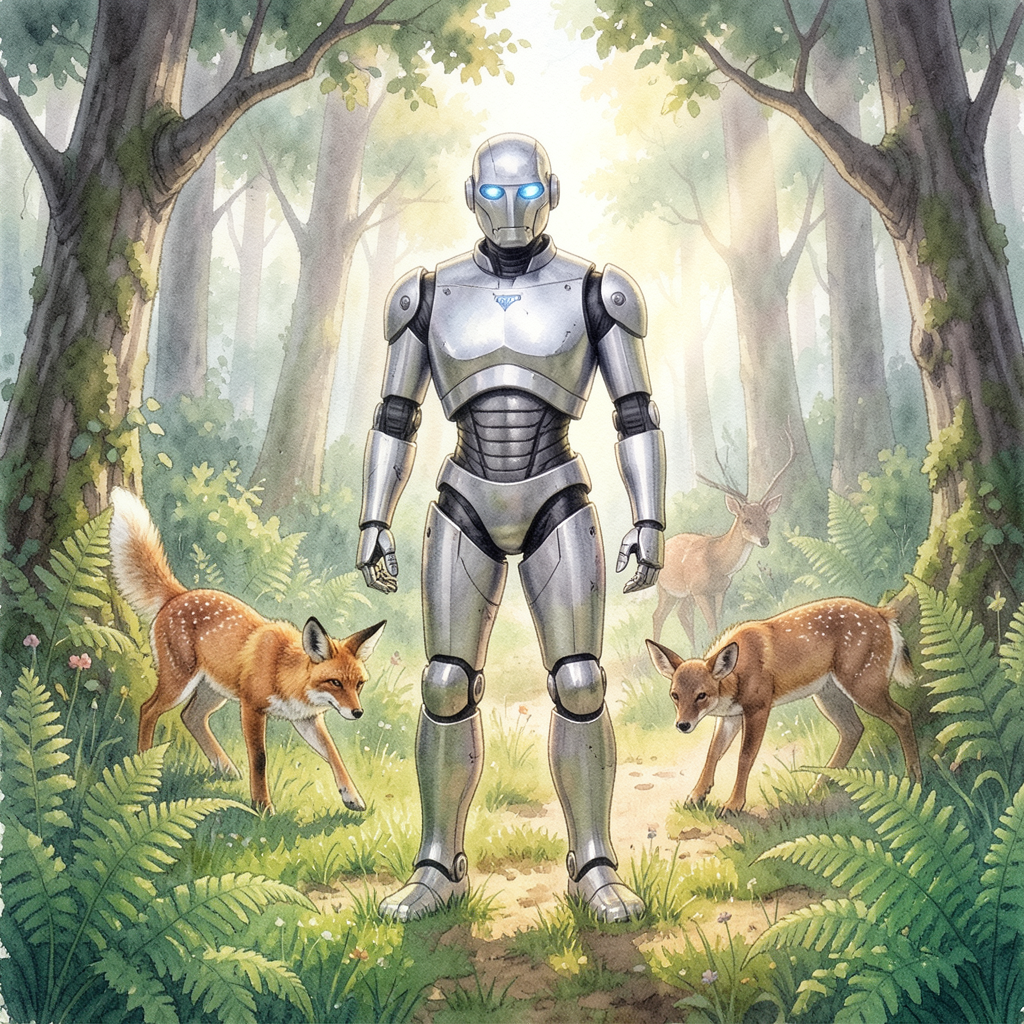
The Wild Robot
About This Book
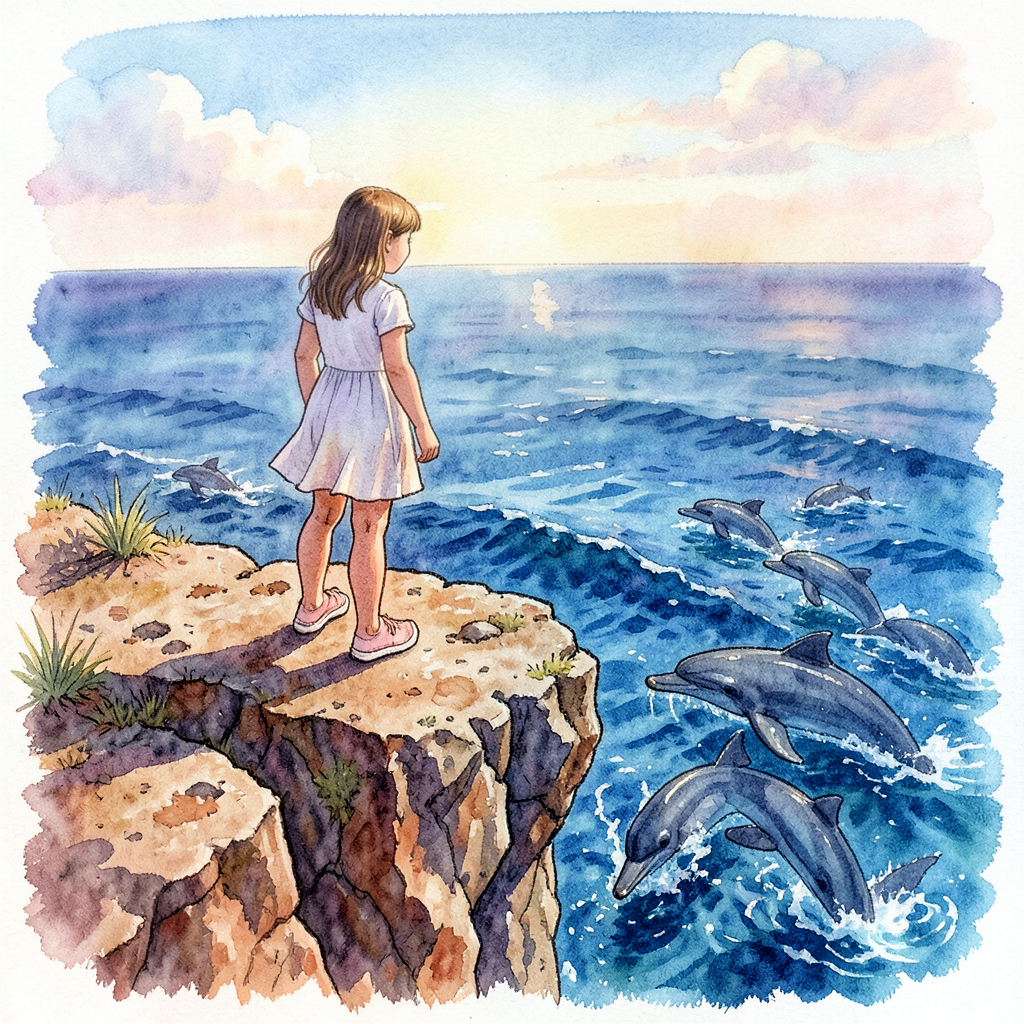
Robot Roz washes ashore on a remote island and must learn to survive in the wilderness. By observing and adapting to nature, she becomes part of the island's ecosystem and even adopts and raises an orphaned gosling. But her robotic nature creates both wonder and fear among the animals.
Themes
NatureBelongingIdentity
Best For
- Families who loved Charlotte's Web and want a similarly heartfelt story about an unlikely bond
- Children going through transitions — a new school, a new sibling — who need a story about finding your place
- Read-aloud sessions with kids ages 8-10 because the short chapters and cliffhanger endings keep everyone engaged
- Reluctant readers who prefer action-forward plots, since every chapter presents a new survival challenge
- Classroom use in grades 3-5 to launch discussions about nature, identity, and what it means to belong
Why Parents Love This Book
The Wild Robot is a quiet marvel — a story about a machine learning what it means to be alive. Peter Brown drops robot Roz onto a wild, unforgiving island with no instructions and lets her figure it out one mistake at a time. What makes this book endure is how naturally it sidesteps the robot-versus-nature cliche. Roz is not a threat to the wilderness; she is a student of it. She watches, she listens, and she adapts. When she adopts an orphaned gosling named Brightbill and raises him as her own, the book quietly becomes one of the most honest stories about parenting ever written for children: love is not instinct, it is effort. Brown's prose is spare and elegant, never sentimental, which makes the emotional moments land with surprising force. The island community of animals feels genuinely wild rather than anthropomorphized, and Roz feels genuinely strange rather than cuddly — which makes her eventual belonging all the more earned and moving.
Reading Tips for Parents
This is an excellent chapter-by-chapter read-aloud for ages 8 and up, but confident readers will devour it independently. Each chapter is short — often just two or three pages — making it ideal for bedtime reading with natural stopping points. Before you start, let your child know the book mixes funny moments with genuinely sad ones, so the emotional shifts do not catch them off guard. As you read, pause occasionally to ask what Roz should do next — the survival dilemmas are real thinking prompts. The book's treatment of Brightbill's identity struggles (he is different from the other geese) opens natural conversations about fitting in and being proud of who you are. Parents should know the ending of Part One involves animal loss and may prompt tears. Have that conversation ready.
Awards & Recognition
- New York Times Bestseller
- Amazon Best Book of the Year (2016)
- Pennsylvania Young Readers' Choice Award nominee
Educational Value
This book helps children develop skills across multiple areas:
- Social-emotional learning: The story models empathy, persistence, and the hard work of raising someone who is different from you — Roz's relationship with Brightbill is a rich entry point for discussing unconditional love and belonging.
- Vocabulary: Brown's nature writing introduces precise naturalist language — migration, hibernation, camouflage, ecosystem — in context, helping readers absorb scientific terms through story rather than definition.
- Science and nature: The book follows the island's seasonal cycles and the behaviors of real animal species, giving readers an organic introduction to ecology, animal adaptation, and survival strategies.
- Critical thinking: Roz constantly observes, hypothesizes, and adjusts her behavior — modeling a scientific method of learning that parents and teachers can name and reinforce.
- Identity and philosophy: The novel raises accessible but genuine questions about what makes someone alive, what family means, and whether a created being can have feelings — ideal for sparking philosophical conversation with curious kids.
Discussion Questions
Use these questions to spark conversation before, during, or after reading:
- Why do you think the animals on the island were afraid of Roz at first? What would you think if you saw a robot walking out of the ocean?
- Roz had to learn everything by watching — she had no one to teach her. What is something you learned by watching instead of being taught?
- Brightbill is different from the other goslings because his mother is a robot. How does that make him feel, and can you think of a time you felt like you did not quite fit in?
- Roz is programmed to complete tasks, but she starts making choices that were not in her programming. Do you think she is making real decisions, or just following instructions she cannot see?
- If you washed up on a wild island like Roz, which animal would you try to make friends with first and why?
Content Notes for Parents
The book contains the death of animal characters, including a parent animal, which may be upsetting for sensitive readers — this is handled with honesty rather than graphic detail. There is no violence, profanity, or mature content otherwise; the emotional weight is the main thing parents should prepare children for.
Frequently Asked Questions
What age is The Wild Robot actually right for?
The book is solidly suited for ages 8 to 12. The reading level is accessible for strong readers around age 7, but the emotional themes — loss, identity, not fitting in — resonate most with kids in the 8-to-11 range. It works equally well as a parent read-aloud or an independent read.
Is there anything scary or sad that I should prepare my child for?
Yes — the death of an animal character early in the book is handled honestly and without sugarcoating. Some sensitive children may find it upsetting. It is worth mentioning before you start that the story has sad moments alongside the funny and adventurous ones, so the emotional shift does not feel like a surprise.
Is this a good book for a child who says they do not like to read?
It is one of the best choices for reluctant readers in this age group. Peter Brown writes in very short chapters — sometimes just a page or two — so the book never feels like a slog. Every chapter ends with something happening, which makes it hard to put down.
Are there sequels?
Yes. Peter Brown has written The Wild Robot Escapes (2018) and The Wild Robot Protects (2023), continuing Roz's story. The first sequel follows Roz on a farm, and the third returns to the island. Children who fall in love with Roz will have plenty more to read.
How is this different from the animated movie?
The 2024 DreamWorks animated film follows the book's broad story closely but simplifies some plot threads and adds more action-movie pacing. Most readers find the book richer in emotional detail and quieter in tone. Reading the book after seeing the film gives children a chance to notice what the book adds that the film could not capture.